-01%201.svg)

Key takeaways
- A central, searchable policy repository India becomes your team’s single source of truth, reducing errors and accelerating audits.
- The five pillars, staff attestation workflows, versioning with read receipts, periodic refresh cycles, exception logging, and audit trails, create reliable compliance outcomes.
- Link policy ownership to clear roles, owners, approvers, and administrators, so accountability is unambiguous.
- Use data triggers from operational exceptions to refresh policies proactively, not reactively.
- Exportable audit evidence, with version history and acknowledgments, shortens audit cycles and reduces findings.
- AI signals, such as those from AI Accountant, align real transaction behavior with policy updates and targeted training.
Why Finance Teams Need a Policy Repository in India
Managing compliance in India can feel like juggling while the rules keep changing. Between GST notifications, TDS updates, and MCA circulars, your team needs a system that keeps everyone aligned. A policy repository India becomes the single source of truth your finance function relies on every day.
Picture this scenario, your GST team receives new filing instructions, everyone must adopt updated procedures within a week. Or your CA firm serves dozens of clients, each with nuanced invoice processing rules, your staff rotates between accounts. Without a centralized repository, inconsistencies creep in, and errors multiply.
One source of truth beats ten scattered drives, every single time.
The payoff is tangible, teams report less time spent on audit prep, faster onboarding, and fewer penalties, because everyone follows current, approved procedures.
Staff Attestation Workflow, Getting Everyone on the Same Page
Your staff attestation workflow ensures people do more than receive policies, they acknowledge understanding them. Define roles clearly, the policy owner drafts, the approver reviews, the publisher goes live, staff receive notifications to review and attest, a reviewer tracks completion and escalates delays.
The flow runs like this, draft, approve, publish, notify, attest, track overdue, escalate.
- Integrate with HRMS for accurate user rosters.
- Send reminders through email, Slack, or Teams.
- Use e signatures where formal acknowledgment is required.
- Offer multilingual versions when working with contractors or client teams.
AI signals can even trigger attestations when patterns change. If vendor mismatch errors rise, prompt relevant staff to review the updated vendor verification SOP.
For context on repository principles in regulated industries, study the Insurance Repository System, the discipline of structured documents and acknowledgments translates well to finance policies.
Versioning and Read Receipts, Tracking Who Knows What
Versioning and read receipts give you full visibility into policy awareness. Each document carries a version number, timestamps, and change logs. Read receipts show who opened what and when, similar to message read indicators, which helps confirm that critical updates reached the right people before month end close or compliance deadlines.
- Gate sensitive tasks until staff confirm they have read related policies.
- Retrieve the exact policy valid on a specific date for audit queries.
- Compare versions side by side to identify procedural changes quickly.
This is not surveillance, it is controlled assurance that the right information is acted upon at the right time.
Periodic Refresh, Keeping Policies Current and Relevant
A disciplined periodic refresh cycle keeps policies from becoming digital dust collectors. Set review cadences, annual for stable areas, quarterly for dynamic domains like GST compliance. Trigger immediate reviews when regulators announce changes, RBI forex circulars, MCA updates, or GST council decisions.
Assign owners with due dates, automate reminders, and flag expired content visibly. Link refresh schedules to your month end close, audit cycles, and training windows.
To borrow from adjacent regulated domains, understanding insurance repositories functions reinforces the value of renewal cycles and content governance.
Exception Logging, Learning from Deviations
Exception logging converts deviations into learning. Capture who raised it, what happened, the business reason, who approved it, and the final outcome. Classify exceptions by type, vendor onboarding without proper GSTIN, payment without PO, expense outside standard categories.
- Spot patterns, repeated three quote rule bypasses may indicate a need for an emergency procurement path.
- Target training, GSTIN mismatches clustered around a vendor type may require special handling procedures.
- Report monthly, focus on categories causing friction and refine processes accordingly.
Exception analytics inform which policies need simplification, and where controls should tighten.
Audit Trail, Building Your Compliance Defense
Your audit trail is the chain of evidence for every policy action, creation, edits, approvals, publications, attestations, read receipts, exceptions, and resolutions, all timestamped with user attribution.
Align retention with Indian regulations, Income Tax often expects seven years, Companies Act requires eight years for certain records, GST varies by document type. Establish a clear data retention and purge policy to guide repository behavior.
Make evidence exportable on demand. When auditors ask, produce an audit readiness and evidence pack that includes policy versions, attestations, read receipts, exception logs, and approvals.
Use role based access diligently, owners draft, approvers authorize, staff read and attest. Separation of duties satisfies governance and external assurance.
Mapping Repository Features to Finance Processes
Purchase to Pay
Vendor creation standards demand strict version control for GSTIN verification rules. Exception logging captures vendor mismatches flagged by AI signals. Attestations ensure staff adopt new bill processing workflows before rollout.
Bank Reconciliation
Tagging rules and manual review thresholds benefit from read receipts, the audit trail preserves classification decisions for later review.
Credit Control
Dunning procedures, credit limits, and write offs require periodic refresh tied to business cycles. Exception logging documents justified overrides of credit terms.
GST Reconciliation
Data source definitions, cutoffs, and mismatch handling must update quickly when regulations change, document the end to end workflow from extraction to filing inside the repository.
Tools and Technology for Policy Repositories
You have three architecture paths. Purpose built GRC platforms provide native attestations, versioning, and audit trails, often at a higher cost. HRMS or enterprise DMS systems offer basic workflows which you can extend. Lightweight stacks, Drive plus Forms plus automation, help you start quickly and validate the operating model.
Integrations matter, single sign on reduces password fatigue, HRMS sync keeps rosters current, accounting system connections enable automated exception capture, AI signals feed exception logs and refresh triggers. For India operations, ensure DPDP data residency and careful role based access across multi entity setups common in CA firms.
Implementation Roadmap, Your First 90 Days
Days 1 to 30, Foundation
- Inventory policies and SOPs, remove duplicates, identify gaps.
- Assign owners per domain and set a simple versioning convention, v1.0, v1.1, v2.0.
- Pilot attestation on a critical process, purchase to pay, capture user feedback.
Days 31 to 60, Expansion
- Enable read receipts across published policies.
- Configure a refresh calendar tied to regulatory cycles and internal milestones.
- Begin structured exception logging, stop ad hoc handling.
Days 61 to 90, Optimization
- Standardize audit trail exports, build dashboards for attestations, exceptions, and refresh compliance.
- Launch monthly KPI reviews, train power users, document governance clearly.
Governance Structure and Role Definition
Clear governance prevents drift.
- Policy Stewards, own domains such as AP, AR, GST, draft updates, coordinate reviews, and monitor exceptions.
- Compliance Reviewers, track regulatory changes and trigger refreshes.
- Approvers, CFOs or partners who authorize changes and major exceptions.
- Repository Administrators, manage platform, access, integrations, and audit exports.
For CA firms across clients, segment access carefully, staff for Client A cannot access Client B, while firm wide standards remain visible where appropriate.
KPIs and Metrics That Matter
Attestation
- Completion rate, percentage of staff completing acknowledgments.
- Time to attest, days from notification to acknowledgment.
- Overdue count, pending acknowledgments past deadline.
Read receipts
- Coverage, share of policies with tracking enabled.
- Read rate, proportion of notified staff who opened documents.
- Version currency, percentage of staff on latest versions.
Refresh
- On time refresh rate, reviews completed by due date.
- Overdue reviews, count past the refresh deadline.
- Trigger response time, days between regulatory change and policy update.
Exceptions
- Monthly volume and category distribution.
- Aging and resolution rate with documented outcomes.
Audit trail
- Completeness, share of items with full documentation.
- Export success rate and retention compliance.
Best Practices for Indian Finance Teams
- Write in plain language, use India specific examples, GST invoice formats, TDS certificates, PAN checks.
- Reference regulatory sources, link MCA notifications, CBDT circulars, and GST decisions within policies.
- Prepare audit ready evidence packs, define templates for statutory and internal audits.
- Support multilingual needs, provide summaries in regional languages where relevant.
Clarity and accessibility drive adoption, adoption drives compliance.
Common Pitfalls to Avoid
- Letting content go stale, once trust drops, usage collapses, use alerts and visible expiry flags.
- Version confusion, keep numbering simple, avoid complex strings.
- Attestation fatigue, reserve formal acknowledgments for significant changes, use read receipts for minor edits.
- Ignoring exception patterns, review monthly and act on systemic drivers.
- Operating in silos, integrate repository, accounting, HRMS, and communication platforms so signals flow.
Templates to Get You Started
Policy Version Header
- Policy Name
- Version, Major.Minor
- Effective Date
- Owner and Approver
- Last Review Date and Next Review Due
- Regulatory Reference
- Change Summary
Attestation Workflow Checklist
- Draft reviewed and approved
- Version assigned and documented
- Published to repository
- Notification sent with deadline
- Reminders scheduled, escalation defined
- Completion tracking dashboard updated
Exception Logging Form
- Exception Date, Raised By, Process Area
- Type and Description
- Business Justification and Approver
- Resolution and Preventive Action
Audit Export Checklist
- Policy versions for the audit period
- Attestation records and read receipts
- Exception logs with approvals
- Change logs, regulatory references verified
- Export formatted per auditor request
Technology Recommendations for Repository Setup
Small teams, under 50 users
- AI Accountant, automatic exception detection and compliance signals that feed your repository.
- Google Workspace, Drive for storage, Forms for attestations, Sheets for tracking.
- Zoho Docs, integrated with Zoho Books for policy management.
- Microsoft 365, SharePoint for documents, Power Automate for workflows.
Medium organizations, 50 to 200 users
- AI Accountant, scales exception logging and audit trails across entities.
- Kissflow, process automation with document management.
- Smartsheet, workflow automation with attestation tracking.
- Box, enterprise content management with workflows.
- DocuWare, document management with compliance features.
Large enterprises, 200 plus users
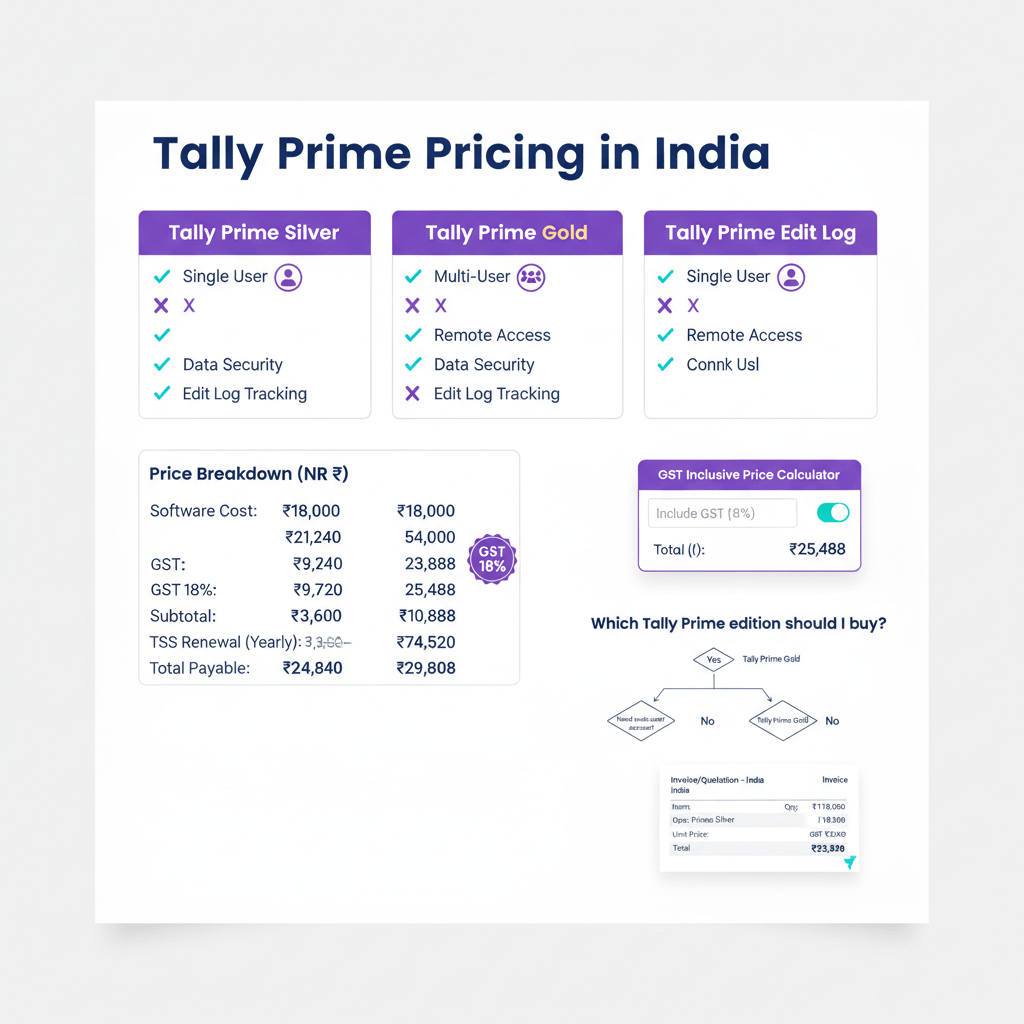
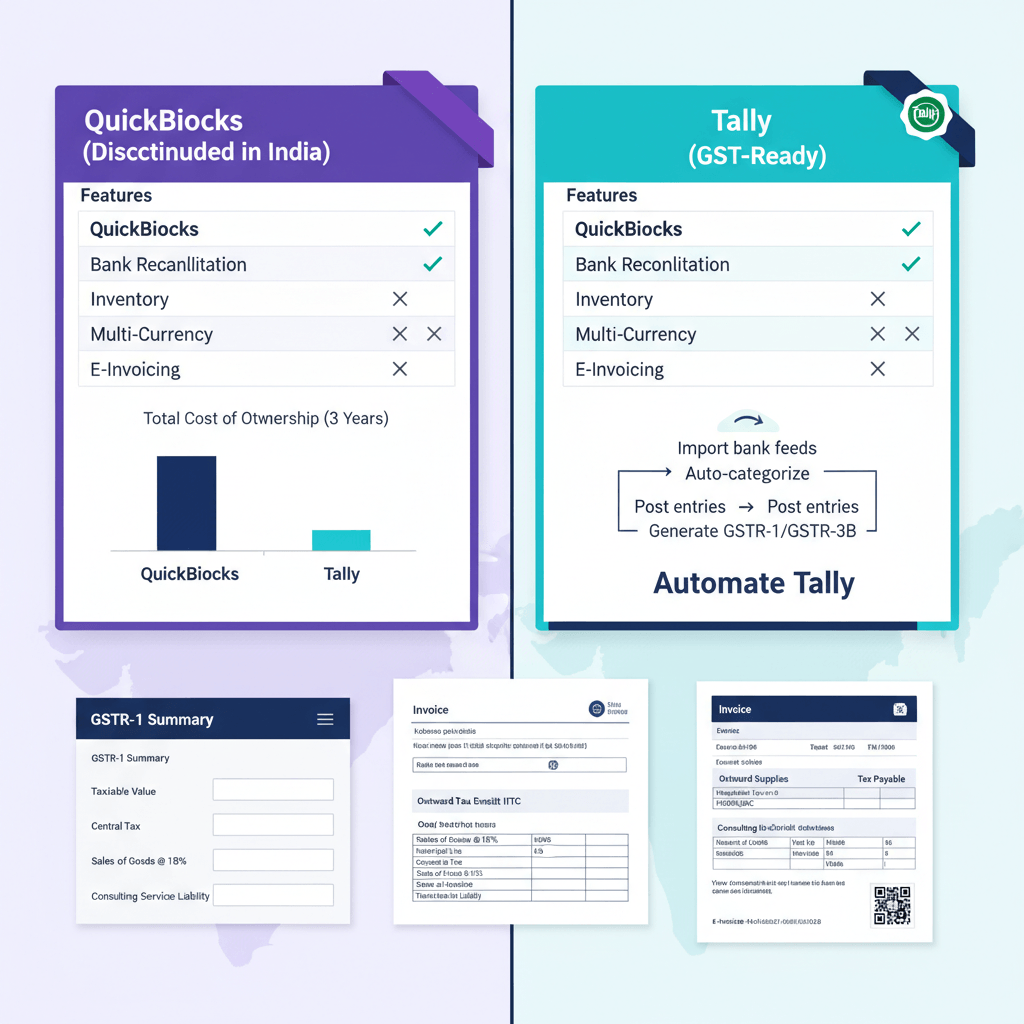
- AI Accountant, enterprise grade integration with Zoho Books and Tally for compliance automation.
- ServiceNow, comprehensive GRC.
- MetricStream, governance and compliance suite.
- SAP GRC, integrated with SAP ERP.
- Oracle Risk Management Cloud, enterprise risk and compliance.
Making Your Repository Work with AI Accountant
AI powered exception detection can create exception records automatically, vendor GSTIN mismatches, unusual payment patterns, or reconciliation breaks. Those records flow into your repository with context, owner, and due dates.
When error rates spike in a process, signals prompt policy reviews and targeted training. Instead of blanket attestations, retrain the few who need guidance. The audit trail expands seamlessly, every bill extraction, classification, and GST reconciliation creates a traceable event that links to policy versions.
Measuring Success, Before and After Metrics
Compliance
- Audit findings reduce by half or more.
- Regulatory penalties fall, documentation gaps close.
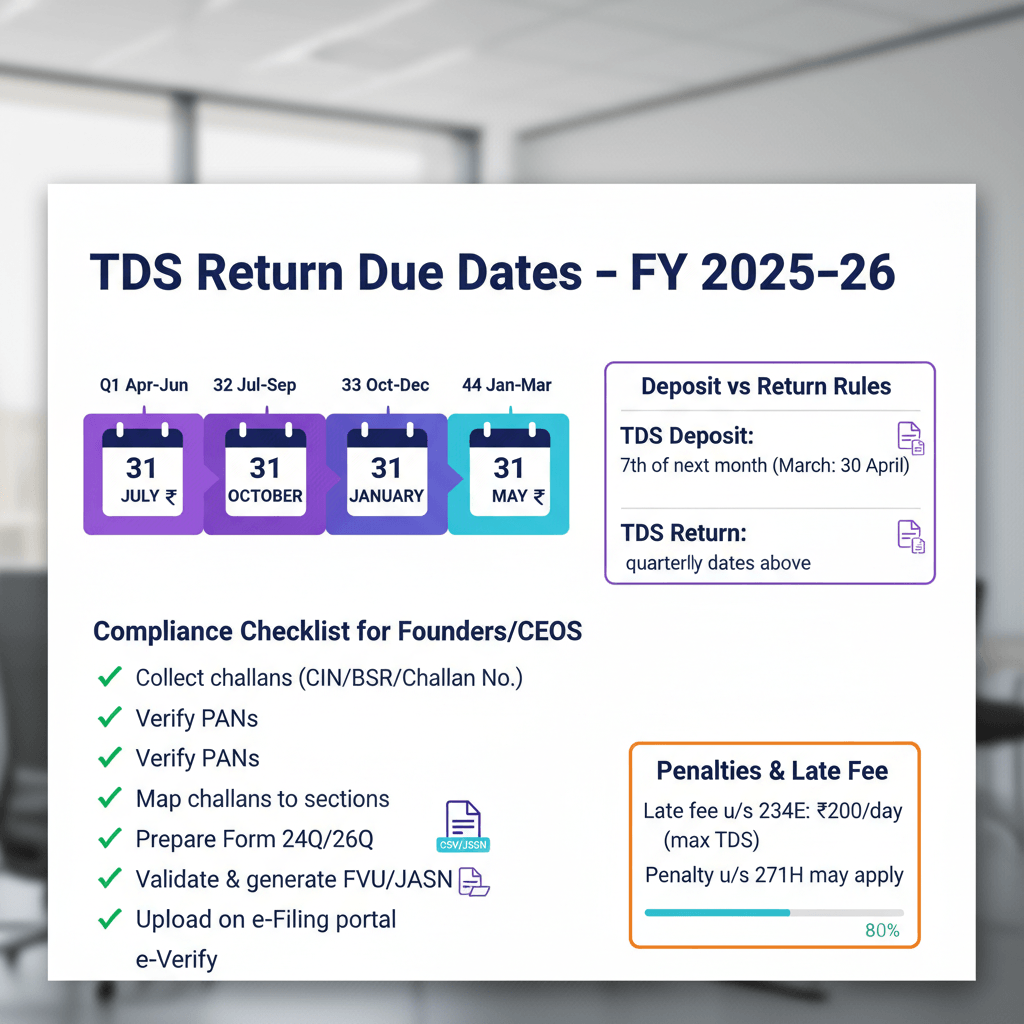
- On time filing improves for GST and TDS.
Operational efficiency
- Training time drops for new joiners.
- Compliance query resolution becomes faster.
- Month end close shortens through standardization.
Quality and team confidence
- Error rates and rework decline, consistency rises.
- Audit stress reduces, staff clarity increases.
- Institutional knowledge persists despite turnover.
Conclusion, Your Path to Repository Excellence
Building a robust policy repository India transforms compliance and operations. The five pillars work together, attestation aligns people, versioning with read receipts assures awareness, periodic refresh keeps content current, exception logging fuels improvement, and audit trails provide bulletproof evidence.
Start with critical processes, expand with feedback, and connect the repository to your transaction systems for real time signals. Treat it as a living system, measure outcomes, and keep refining. The ROI shows up quickly, fewer findings, faster onboarding, and lower penalty risk.
Take your first step today
Inventory policies, assign owners, and pilot an attestation workflow. In ninety days, you will wonder how you managed without it.
FAQ
How should a CA firm structure a policy repository for multi client operations without cross visibility risks
Segment your repository by client entity, then apply role based access so teams only see the clients they serve. Maintain a firm wide standards area for common procedures, such as code of ethics or standard templates, while keeping client specific SOPs in segregated spaces. Use attestations per client where processes differ, and align retention with each client’s regulatory profile.
What does a practical staff attestation workflow look like for a 100 member finance team
Keep it simple, owner drafts, approver authorizes, publisher releases, staff acknowledge, reviewer monitors, and overdue items escalate to line managers. Set acknowledgment windows of five to seven working days for normal updates, two days for critical changes. Use read receipts for minor edits, reserve formal attestations for significant revisions or annual refresh. An AI tool like AI Accountant can flag who needs retraining based on error patterns, which makes attestations targeted.
How do I prove to statutory auditors that the right policy version was active on a past date
Maintain immutable version metadata, version number, publish date, approver, and change log. During the audit, export the version valid on the transaction date, attach read receipts and staff attestations for that period, and include exception approvals if relevant. A standard evidence pack, with version history and acknowledgments, answers this quickly.
What retention periods should I configure for policy documents under Indian regulations
Common anchors are seven years for Income Tax documents, eight years under the Companies Act for specific records, and GST periods that vary by document type and state specifics. Build a retention matrix and automate purge or archive workflows accordingly. Pair this with a documented data retention and purge policy that auditors can review.
How do I prevent attestation fatigue while still maintaining compliance
Classify changes by impact level. Level one, material policy shifts, require attestations. Level two, process tweaks, rely on read receipts. Level three, editorial fixes, only notify. Bundle non urgent items into monthly digests, and set an annual attestation cycle to re baseline critical policies. AI Accountant can identify only those staff who demonstrated errors, allowing you to request attestations selectively.
What exception categories are most useful to start with in AP and GST
Start with vendor onboarding without GSTIN or PAN validation, payment without PO, three quote rule bypass, manual tax override, GSTIN mismatch in bills versus master, and credit note without approval. Define fields for business justification and approver identity, then review category trends monthly to refine controls.
How do I integrate policy refresh with regulatory change monitoring
Assign a compliance reviewer to each policy area, GST, TDS, MCA, RBI. Subscribe to official notifications and create a triage rule, detect, assess impact, update policy, seek approval, publish, notify, and track acknowledgment. Use calendar holds tied to month end and quarter close so refresh work has protected time. AI signals from exception spikes can also trigger refresh outside the calendar cycle.
What evidence do internal auditors expect beyond the policies themselves
Expect to provide policy versions active during the audit period, attestation records, read receipts, exception logs with approvals and outcomes, and access control reports. For deviations, include root cause and preventive action. Provide a single export per process to reduce back and forth during fieldwork.
How can I align read receipts with task gating in daily operations
Map key tasks to prerequisite policies, for example, vendor bill processing requires confirmation of the current GSTIN verification SOP. Your workflow tool can check the repository for a read receipt or attestation flag before allowing the task to proceed. If missing, the system prompts the user to complete acknowledgment immediately.
What is the best way to onboard new joiners using the repository
Create a starter collection, code of conduct, AP or AR fundamentals, GST primer, documentation standards, and a week one checklist. Sequence attestations, and embed quick videos or screenshots for common actions. Track completion, then schedule a week two quiz or short review session to reinforce learning. AI Accountant can monitor early errors and recommend targeted modules.
How do I measure whether the repository is actually improving audit outcomes
Track a before and after set, number of audit findings, repeat observations, time to provide evidence, and number of sample exceptions lacking documentation. Add leading indicators, attestation completion rate, read coverage, refresh on time rate, and exception resolution time. Improvements across these dimensions indicate real impact.
What minimal tech stack works if we need to start this quarter without a big budget
Use Google Drive for structured folders, Google Forms for attestations, and a shared Sheet for exception logs and dashboards. Add simple automation to send reminders and escalate overdues. As volume grows, integrate an AI layer like AI Accountant for exception detection and targeted refresh triggers, then upgrade to a fuller DMS or GRC as needed.

A results-driven finance and sales professional with hands-on experience through finance internships and a fast-paced sales role. With a strong interest in accounting and business finance, Harsh focuses on turning complex topics into clear, practical takeaways for founders and finance teams.