-01%201.svg)

Key takeaways
- Missing the March 15 advance tax deadline triggers 1% monthly interest under Section 234C, but payments until March 31 still qualify as advance tax, which reduces interest.
- TDS not deposited by April 7 faces ₹200 daily late fee plus 1.5% monthly interest, and 30% expense disallowance applies under Section 40(a)(ia) if not cured by the return due date.
- PF and ESI employee contributions must be deposited by the 15th of the following month, after the 2021 amendment you permanently lose the deduction if you are late.
- GST composition opt in closes April 30, e-invoicing applies if aggregate turnover ever exceeded ₹5 crore, and November 30 is the hard stop for FY 2024-25 ITC claims.
March 31 Tax Checklist for Indian Businesses: 15 Deadlines You Cannot Miss in 2025
March 31 feels different when you run a business. It is not just year end, it is when multiple tax deadlines converge, and missing even one can trigger penalties that compound for months. You are tracking advance tax, TDS, GST, statutory clearances, and book closure, all at once. One overlooked date can mean 18% interest, 30% expense disallowance, or a tax notice that derails your quarter.
This checklist covers all 15 critical deadlines, the exact penalties, and the sections that help you fix mistakes before they become permanent problems. If you want a hands off option, Virtual Accounting by AI Accountant is purpose built for this sprint. Virtual Accounting by AI Accountant automates every deadline, with a dedicated CA and real time tracking so you never miss a compliance date.
Short answer: The critical March 31 lineup includes advance tax finalization, TDS deposits for February and March, GST filings and reconciliations, PF and ESI deposits, Section 43B clearances, bad debt write offs, inventory valuation, tax audit triggers, LUT renewal planning, and composition scheme decisions. Penalties range from ₹200 daily late fees on TDS and GST late fees, to 18% annual interest on GST, and 30% expense disallowance for TDS failures. A systematic calendar and proactive payments contain both cash and compliance risk.
Advance Tax: The March 15 deadline that controls your interest bill
Your fourth advance tax installment, 100% of total liability, is due on March 15. If your tax after TDS exceeds ₹10,000, you must pay advance tax on this schedule, 15% by June 15, 45% by September 15, 75% by December 15, and 100% by March 15. Section 234C charges 1% simple interest per month for each shortfall, and Section 234B applies if you underpay overall. The important nuance, payments made until March 31 still qualify as advance tax, which reduces ongoing interest.
What if you discover additional income in March?
Pay the differential immediately. Any payment before March 31 is treated as advance tax, which stops 234B and 234C interest from increasing further. If you wait until April, it becomes self assessment tax, and interest continues until payment. A ₹10 lakh liability with missed installments can quietly add ₹30,000 to ₹50,000 in interest. Do a mid March scrub and pay early.
Do presumptive taxation businesses get different treatment?
Yes, under Sections 44AD and 44ADA you can pay the entire advance tax by March 15 instead of quarterly installments. The ₹10,000 threshold and interest rules still apply. First year presumptive businesses do not have to pay advance tax, from year two onward, the rules bite.
TDS deposits: Why April 7 is your real deadline
TDS deducted in March must reach the government by April 7 for non government deductors. Not “within a month,” not April 30, April 7. See the underlying provisions at the Income tax Act portal. Miss this, and Section 234E late fee, ₹200 per day per return, starts piling up until filing, while Section 201(1A) charges interest, 1% per month for late deduction, 1.5% per month for late deposit after deduction.
| TDS failure type | Late fee and penalty | Interest rate | Cure available |
|---|---|---|---|
| Late deduction | 234E ₹200 per day applies on late statement filing, plus potential 271H penalty | 1% per month | Deduct and deposit immediately |
| Late deposit | 234E ₹200 per day on late TDS return, plus potential 271H penalty | 1.5% per month from deduction date | Deposit before return due date to protect expense deduction |
| No deduction | 30% expense disallowance under Section 40(a)(ia) | 1% per month if later deducted | Deduct and deposit by ITR due date |
| Late TDS return | 271H ₹10,000 to ₹1,00,000 | Not applicable | File immediately to stop further exposure |
What about Form 16 and quarterly returns?
Your Q4 TDS returns, Forms 24Q, 26Q, 27Q, are due May 31. Form 16 for employees is due June 15. Form 16A for vendors is due June 30. Section 272A can levy ₹100 per day per employee if you delay Form 16.
Can you revise TDS returns after March 31?
Yes, revision corrects reporting and halts further interest on mismatches, but it does not erase interest or late fees already triggered. File the correction as soon as you discover an error, every day matters.
Critical warning: Section 271H penalty, ₹10,000 to ₹1 lakh, can apply even if you deposited TDS on time but failed to file the return on time.
Section 43B payments: Clear everything by March 31
Section 43B allows deductions for specified expenses only on payment basis, not on accrual. If you do not pay by your return due date, you lose the deduction for the year. Review the Act at the official portal, Income tax Act.
- All taxes, duties, cess, or fees, including GST, customs, excise, professional tax
- Employer contribution to PF, ESI, superannuation
- Bonus or commission payable to employees
- Interest to banks and specified financial institutions
- Leave encashment payable
How do you track what needs payment?
Run an aged payables report mapped to Section 43B items, GST payable, PF and ESI employer share, employee bonus and commissions, statutory levies. Clear them methodically, oldest first, largest tax impact second.
What if cash flow is tight?
Prioritize by tax shield. Paying ₹10 lakh of GST can save roughly ₹3 lakh at a 30% rate, which often beats short term borrowing costs. Borrow if needed, the deduction loss usually costs more than interest on a working capital line.
PF and ESI: The deduction that disappeared for late employee shares
The 2021 Finance Act closed the prior planning window. Section 36(1)(va) now disallows late employee contributions to PF and ESI, even if paid before the income tax return due date. Due dates are firm, EPF by the 15th of the following month, ESI by the 15th of the following month.
Penalties add up. PF late deposit attracts 12% annual interest plus damages, which can reach 25% beyond one month. ESI charges 12% interest and steep damages for persistent delays.
Can you claim employer contribution separately?
Yes, employer contribution falls under Section 43B, pay by the income tax return due date to claim the deduction. Employee contribution, deducted from salary, must hit the fund by the statutory due date, or the deduction is permanently lost.
What about voluntary PF contributions?
Same rule, if it is deducted from employee salary, it must be deposited by the statutory due date to be deductible.
Stop the deadline panic every March
Virtual Accounting tracks all 15 deadlines automatically, and a dedicated CA clears filings and payments on time. See how we handle year end.
GST compliance: Annual returns, ITC deadlines, and composition decisions
March is when your GST plan for the next eight months takes shape. Miss a piece and you invite interest at 18% per year on unpaid tax plus late fees that can reach ₹10,000 per return. See CBIC guidance here, interest and clarifications.
GSTR 9 for FY 2023 24 is due December 31, 2024, but reconciliation starts now. The bigger trap is the ITC cutoff for FY 2024 25, it is the earlier of November 30, 2025, or the date you file GSTR 9. Read Section 16(4) in the CGST Act. Composition scheme decisions also fall on the April timeline, file CMP 02 by April 30 if you want to opt in for the new financial year, see rules at Central GST Rules.
What about e invoicing requirements?
If your aggregate turnover exceeded ₹5 crore in any previous financial year, e invoicing is mandatory for B2B supplies. Refer to CBIC notifications, e invoicing threshold updates. Non compliance can block recipient ITC and trigger penalties.
How do late fees accumulate?
GSTR 3B late filing costs ₹50 per day, ₹25 CGST plus ₹25 SGST, capped at ₹10,000, nil filers pay ₹20 per day capped at ₹2,000. GSTR 1 late fees range from ₹50 to ₹100 per day depending on filing frequency, caps apply. Interest at 18% per year is separate and calculated daily on unpaid tax.
| GST item | Standard deadline | Late fee | Interest |
|---|---|---|---|
| GSTR 3B | 20th of next month, or as per state category | ₹50 per day, caps apply | 18% per year on unpaid tax |
| GSTR 1 | 11th monthly, 13th quarterly | ₹50 to ₹100 per day, caps apply | Not applicable |
| GSTR 9 | December 31 | ₹200 per day, cap linked to turnover | Not applicable |
| ITC claim for FY 2024 25 | November 30, 2025, or GSTR 9 filing date, earlier date applies | Loss of credit | Not applicable |
Year end adjustments: Bad debts, inventory, and audit triggers
Clean books now, clean tax later. For bad debts, you need an actual write off in your books, not just a provision. See Section 36(1)(vii) at the Income tax Act portal. Identify and write off specific debtors through the P&L. For inventory, ICDS II requires you to value stock at the lower of cost or net realizable value, see ICDS notifications. Check tax audit triggers too, turnover above ₹1 crore, or ₹10 crore if cash receipts and payments are within 5% of totals, calls for Section 44AB audit, with Form 3CA or 3CB and 3CD.
Should you defer income or accelerate expenses?
Artificial deferral of income invites scrutiny. Accelerating genuine expenses is safer, pay pending professional fees, AMC charges, and vendor bills with proper documentation. Keep evidence ready, invoices, contracts, and proof of payment.
What about related party transactions?
Ensure arm’s length pricing and documentation. If aggregate international or specified domestic transactions cross thresholds, arrange transfer pricing files. For a deeper prep guide, read How to Prepare Your Books for a Statutory Audit India.
The hidden cost of managing this yourself
Indian businesses spend roughly 250 to 254 hours annually on tax compliance, which is about six weeks of full time work. If your founder time is worth ₹5 lakh per month, that is ₹7.5 lakh of opportunity cost, before counting penalties. The real losses occur in the gaps, you remember advance tax, forget TDS, you clear GST, miss PF. The stack effect is brutal, interest accrues, fees stack, investor updates get awkward.
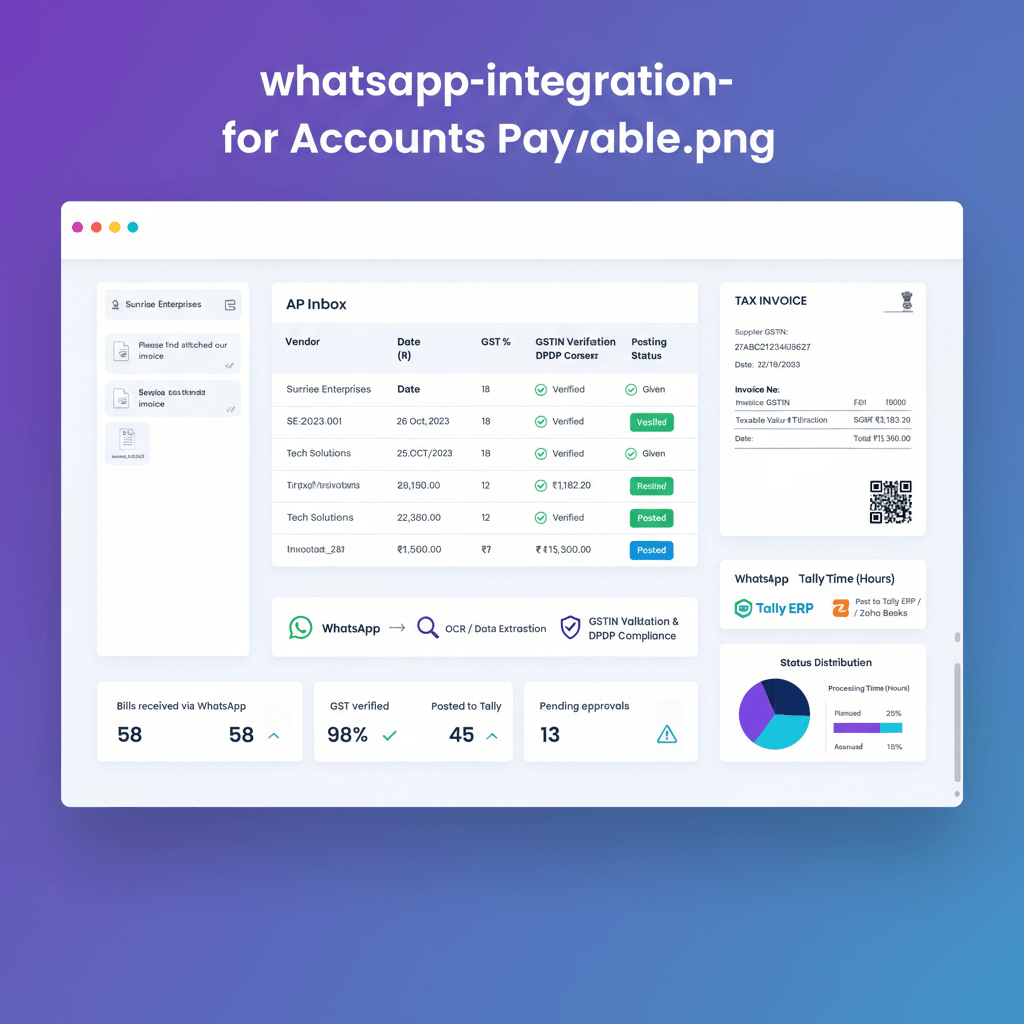
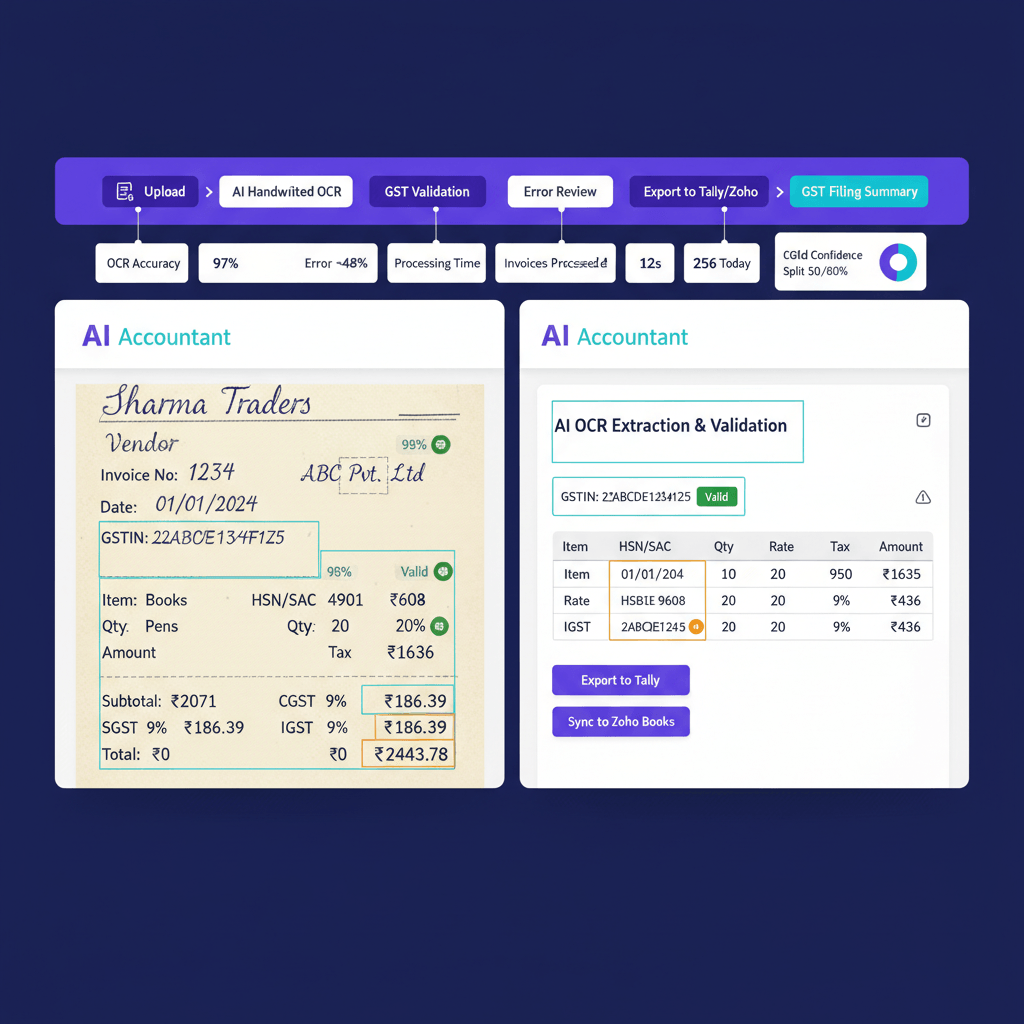
Virtual Accounting changes the dynamic, one dashboard with every compliance requirement, countdown timers, and a dedicated CA who handles filings while AI flags issues before they become violations. Evaluate vendors with this buyer’s checklist, use this buyer’s checklist, or compare options here, compare leading online bookkeeping services. Want to see it in action, watch this short video.
Never miss another deadline
Virtual Accounting puts March deadlines on autopilot, real time tracking, automatic reminders, and CA support deliver 100% compliance so you focus on growth.
Export compliance: LUT renewal and documentation
If you export goods or services, your LUT needs annual renewal. File a fresh LUT by April 30 for the new financial year, or within 15 days of starting exports. See FAQs at CBIC, LUT and export guidance. If you miss it, you pay IGST on exports and claim refunds later, which ties up working capital. Keep returns clean, any default can void the LUT.
What about forex realization deadlines?
Export proceeds generally must be realized within nine months, certain sectors get extensions. Maintain correspondence and proof of follow ups for any delays. Unrealized proceeds beyond permitted periods can trigger LUT issues and penalties.
Do service exports need different documentation?
Yes, keep contracts, invoices, FIRC or bank realization certificates, and evidence that services are consumed outside India. Place of supply rules are nuanced, documentation avoids refund denials.
Your March to June action calendar
March 1 to 7, 2025
- Finalize projected tax, compute final advance tax
- Reconcile TDS ledgers, identify short deductions
- Prepare Section 43B payable list, GST, PF, ESI, bonus, interest
- Check PF and ESI contribution status
March 8 to 14, 2025
- Pay advance tax by March 15
- Deposit February TDS
- Deposit February PF and ESI
- Draft bad debt write off list with proofs
March 15 to 21, 2025
- File February GSTR 3B by March 20
- Reconcile ITC with books and 2B
- Finalize inventory valuation, lower of cost or NRV
- Clear statutory dues with highest tax impact first
March 22 to 31, 2025
- Top up any shortfall in advance tax before March 31
- Pass entries to write off approved bad debts
- Clear remaining Section 43B items
- Complete year end reconciliations, TDS, GST, books
April 2025
- April 7, deposit March TDS
- April 15, deposit March PF and ESI
- April 20, file March GSTR 3B
- April 30, file LUT renewal and CMP 02 if opting for composition
May 2025
- May 10, file April GSTR 1
- May 15, deposit April PF and ESI
- May 20, file April GSTR 3B
- May 31, file Q4 TDS returns
June 2025
- June 15, issue Form 16
- June 30, issue Form 16A
- Continue monthly GST filings and ITC reconciliation
- Start audit preparation for September and October deadlines
Conclusion
March 31 is when every deferred tax decision comes due. Advance tax, TDS, GST, PF and ESI, Section 43B payments, bad debts, inventory, and audit readiness all demand action. The penalties are not just numbers, they are real cash, ₹200 daily late fees for TDS returns, 18% interest on GST, 30% expense disallowance for TDS failures, and permanent loss of employee PF and ESI deductions if you pay late. The solution is simple, structure the calendar, pay proactively, and use expert support when the load exceeds your bandwidth. That is how you end March calmly, and start April with confidence.
FAQ
What happens if I miss the March 15 advance tax deadline by one day?
You pay 1% monthly simple interest under Section 234C on the shortfall, counted from the installment due date. Payments made before March 31 still count as advance tax under Section 211(1), which limits interest. For instance, if your total tax is ₹10 lakh and you pay the balance on March 25, the interest is far lower than paying in April as self assessment tax. Virtual Accounting by AI Accountant prompts exact top up amounts before March 31 so you minimize interest.
Can I claim TDS credit if my vendor has not deposited it yet?
You can claim credit if TDS is actually deducted from your payment and you hold proof, Form 16A or contract plus payment advice. The credit may not reflect in 26AS until the vendor deposits and files returns. File with documentation and follow up with the vendor, escalate through a grievance on the income tax portal if needed. To avoid recurrence, use vendor onboarding checklists and monthly 26AS reconciliations, which Virtual Accounting by AI Accountant automates.
What if I cannot pay my entire GST liability by month end?
Pay as much as you can by the due date to reduce interest, which is 18% per year, calculated daily. File the return on time to avoid daily late fees, you can pay the balance later through DRC 03. Partial but timely payment cuts interest on the remaining principal.
Do I lose the entire expense if PF employee share is paid even one day late?
Yes for the employee share, Section 36(1)(va) disallows it if not deposited by the 15th of the following month. Employer share has relief under Section 43B, pay by the income tax return due date to claim the deduction. Set automated PF and ESI reminders and maker checker controls, Virtual Accounting by AI Accountant includes these by default.
How do I prove bad debts are genuine for tax deduction?
Maintain invoice copies, follow up trails, legal notices if any, and a board resolution approving the write off. Pass a specific entry writing off each debtor in the P&L, because Section 36(1)(vii) requires actual write off, not a mere provision. Aging beyond 12 to 24 months and insolvency proceedings support your case.
What counts as 95% digital transactions for the ₹10 crore audit threshold?
All non cash modes count, NEFT, RTGS, IMPS, UPI, cards, and approved electronic modes. You need ≤5% cash receipts and ≤5% cash payments, both conditions. Inter account transfers do not count as turnover. Keep mode wise reports for audit, your CA must certify compliance. Virtual Accounting by AI Accountant produces these summaries automatically.
Can I still claim ITC for FY 2023 24 in March 2025?
No, Section 16(4) closes the window on the earlier of November 30 of the following year or your GSTR 9 filing date. For FY 2023 24 that cutoff was November 30, 2024. For FY 2024 25 the cutoff is November 30, 2025, which is why March reconciliation is vital.
What if my business qualifies for both 44AD and 44ADA?
Segregate income streams and apply the right section to each. For example, product sales under 44AD, professional consultancy under 44ADA. You cannot mix receipts under one section. If 44ADA professional receipts cross ₹50 lakh, a tax audit can apply even under presumptive. Maintain separate ledgers and bank mapping to keep the audit trail clean.
How does Virtual Accounting handle March 31 deadlines for me?
Virtual Accounting by AI Accountant assigns a dedicated CA, builds a personalized compliance calendar, and sends approval ready reminders two weeks before each deadline. We compute advance tax, reconcile TDS, prepare and file TDS returns, track PF and ESI cutoffs, reconcile GST with 2B, and prepare annual return schedules. A live dashboard shows countdowns, payable amounts, and filing status, so you stay in control without doing the grunt work.
Does advance tax apply to capital gains from property or shares?
Yes, if net tax on the gains after TDS exceeds ₹10,000. Estimate gains, account for TDS, usually 1% on property, and include in quarterly advance tax. Exemptions under Sections 54 or 54F for reinvestment apply at filing, not at the time of advance tax. Pay conservatively to avoid 234B and 234C interest, then adjust in the return.
What if I discover a TDS default during year end review?
Act now, compute TDS plus interest, 1% per month for late deduction or 1.5% per month for late deposit, see the provisions. Deposit through ITNS 281, then file a correction statement. If you cure the default by the income tax return due date, you protect the expense deduction. Do not wait for a notice, voluntary correction usually reduces penalty exposure.
Can I change from regular to composition scheme mid year?
No, opt in is only from the start of a financial year. File CMP 02 by April 30 to enter composition from April 1, see rules. If you cross thresholds or must exit mid year, file CMP 04 within seven days, you then switch to regular from that date and can claim ITC on eligible closing stock.
What documents do I need ready for a tax audit?
Audited financials, Form 3CA or 3CB and Form 3CD, bank statements, fixed asset register with depreciation, GST returns and reconciliations, Section 43B dues with payment proofs, major balance confirmations, and ledgers for TDS, PF, and ESI. Start curating in June to meet the September and October filing timeline. Virtual Accounting by AI Accountant assembles a complete audit pack and coordinates with your auditor.
How do I handle year end inventory for tax purposes?
Do a physical count before March 31, reconcile with books, and value at lower of cost or NRV per ICDS II. Include duties and freight in cost, include factory overheads for manufactured goods, exclude trade discounts. Write off obsolete stock via a documented process, with photos and destruction certificates where relevant.
Should I pay myself salary or declare a dividend before March 31?
It depends on your tax bracket and company profitability. Salary is deductible for the company and taxed at slab rates to you, dividend distribution depends on post tax profits and is taxed in your hands subject to thresholds. Keep salary reasonable for your role to avoid disallowance, ensure salary is actually paid before March 31 to claim deduction this year. Model both options with your CA, Virtual Accounting by AI Accountant provides a founder pay simulator to guide this choice.

A results-driven finance and sales professional with hands-on experience through finance internships and a fast-paced sales role. With a strong interest in accounting and business finance, Harsh focuses on turning complex topics into clear, practical takeaways for founders and finance teams.