-01%201.svg)

Key takeaways
- Business accounting outsourcing, led by a CA team, delivers end to end bookkeeping, GST and TDS filings, ITR, ROC, payroll, and investor grade MIS without building an in house finance function.
- Startups and SMEs typically save around sixty to seventy percent versus internal hiring, while gaining speed, control, and audit ready books.
- Use a dashboard, SLAs, and maker checker to stay in control, track compliance status in real time, and close months within seven days.
- Price is usually a fixed retainer linked to scope and volume, with optional add ons and a one time clean up for backlogs.
- Mitigate risks with SOPs, RACI, encryption, access controls, audit trails, and clean exit clauses, you always own the data.
- AI Accountant Virtual Accounting is a CA led model that unifies accounting, compliance, and MIS on a single dashboard for Indian startups and SMEs.
Business Accounting Outsourcing, the CA led solution for Indian startups and SMEs
Business accounting outsourcing gives startups and small businesses a practical path to run finance without hiring a large in house team. A CA led partner runs your books, GST and TDS filings, income tax returns, ROC work, payroll, and monthly MIS. A shared dashboard gives you live numbers and compliance status, so you make faster decisions with confidence. For a deeper primer, see this overview on CA managed services in India at AI Accountant.
Messy books, missed GST or TDS deadlines, and back and forth on spreadsheets drain founder time. With a CA led managed service and a live dashboard, you get accurate accounts, on time filings like GSTR 1 and GSTR 3B and TDS 26Q, and fast monthly closes.
Many teams save five to eight hours of founder time each week, you also get investor grade MIS and cash flow visibility that holds up in diligence.
Useful reads: ANB Advisors on startup accounting outsourcing, Startup Solicitors on outsourced solutions.
What is business accounting outsourcing
It means you engage a third party CA firm or a managed service to run end to end finance operations. The scope covers bookkeeping, reconciliations, tax filings for GST and TDS and ITR, ROC compliance, payroll, and MIS. This is broader than simple bookkeeping, which only posts transactions, and narrower than full finance outsourcing that includes CFO level strategy. The focus is operations, compliance, and management reporting.
Service models you can choose
- Managed service, a CA led team runs processes with a dashboard that shows live financials and filings.
- Co sourced, your internal team keeps some tasks, the provider handles the rest like GST or reconciliations.
- Staff augmentation, add temporary CA experts to fill skill gaps.
- Project based, start with a clean up, then move to a monthly retainer.
Note, the service excludes attest work and audit certification, the partner prepares data and supports the audit but does not certify. More context here, Samara Global.
Benefits of business accounting outsourcing
Cost efficiency
- Save about sixty percent versus in house, avoid multiple salaries, benefits, tools, and training, pay by scope or by transaction band, retainers are predictable.
- Tools and updates are included in most managed models, you avoid separate software management.
CA expertise on tap
- GST compliance like GSTR 1, GSTR 3B, GSTR 9 and 9C, place of supply, RCM, HSN and rate checks, and e invoicing.
- TDS advisory and compliance like Forms 26Q, 24Q, 27Q, and property or rent based forms 26QB, 26QC, 26QD.
- Income tax returns for individuals, partnerships, and companies, advance tax tracking, tax audit preparation.
- ROC work like MGT 7 and AOC 4, DIR 3 KYC, MSME filings, AGM papers, and more.
- Non attest support for statutory audit coordination and schedules.
Scalability and speed
- Scale up or down as you grow or during season peaks, without hiring sprees or later churn.
- Monthly closes and rolling MIS enable faster decisions, share investor ready reports on time.
Compliance and controls
- On time filings with strong maker checker review.
- Error free books with clean ledgers and reconciled banks and gateways.
- Real time dashboards show P and L, cash flow, burn rate, runway, payables, receivables, and filing status.
Founder time back
- Many founders save five to eight hours a week, you focus on sales and product while finance runs on rails.
ROI snapshot for a typical early stage company
- Team salary and benefits, in house ₹12L to ₹18L each year for a small team, outsourced ₹3L to ₹6L each year for a managed retainer, savings around sixty to seventy five percent.
- Tools and training, in house ₹2L to ₹3L, outsourced included, savings near total.
- Founder time, at twenty hours a month priced at ₹5k per hour, in house oversight costs near ₹12L each year, outsourced oversight can drop to ₹2L each year, that is a ₹10L swing.
- Total, in house about ₹26L to ₹33L each year, outsourced about ₹5L to ₹8L, savings around seventy percent.
Deep dives, ANB Advisors, Startup Solicitors.
Risks and practical mitigations
Loss of control
- Use a dashboard for visibility, set SLAs like a seven day close and a monthly MIS date.
- Put maker checker workflows in place for entries and filings.
Data security
- Enforce encryption, role based access, and regular backups.
- Sign NDAs, add data breach notice duties in the contract.
Process misalignment
- Create SOPs, map RACI roles for who does what and when.
- Run onboarding workshops and dry runs for invoicing, expense approval, and reconciliations.
Vendor lock in
- Add data ownership and exit clauses, you own all books and documents.
- Use a standard chart of accounts and exportable file formats.
See more at Startup Solicitors.
Typical scope in business accounting outsourcing
Bookkeeping and accounting
- Monthly bookkeeping for sales, purchases, expenses, and bank entries.
- Ledger scrutiny and clean up, year end closes and schedules.
- Fixed asset register and depreciation, inventory records with reconciliations.
- Accounts receivable and payable management.
- Bank and payment gateway reconciliations, for e commerce this includes marketplaces and UPI and wallets.
- Cash flow statements and non certified projections, MIS and management reporting.
Taxation and compliance
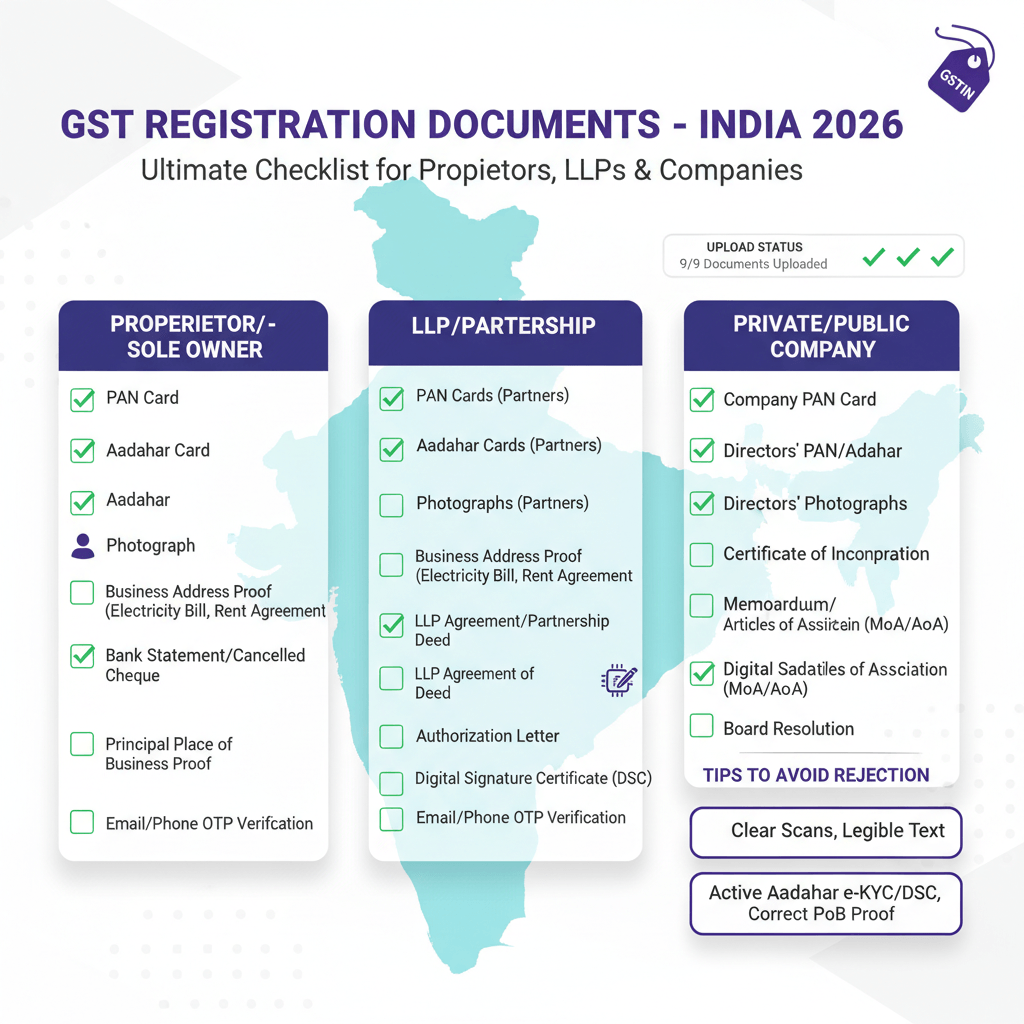
- GST registrations, monthly or quarterly GSTR 1 and 3B, annual GSTR 9 and 9C preparation, RCM checks, HSN and tax rate mapping, e invoice enablement.
- TDS advisory and compliance, monthly challans, Forms 26Q, 24Q, 27Q, 26QB, 26QC, 26QD.
- Income tax returns for business types, advance tax planning and payments, tax audit preparation and support.
Payroll
- Monthly TDS computations for payroll.
- Salary structuring advisory to help employees save tax.
ROC and secretarial for small companies
- MGT 7 annual return and AOC 4 financial statements.
- DIR 3 KYC, director changes, board meeting minutes and AGM papers.
- MSME filings, statutory registers, board report, and annual report.
Audit support
- Full non attest support to coordinate with the statutory auditor, provide schedules and evidence.
When outsourcing makes sense
- You are early stage without a finance team and want clean books and filings from day one.
- You run a scaling e commerce or SaaS with high transaction volume, you need tight gateway reconciliations.
- You as a founder spend more than five hours a week on finance, or you have missed GST or TDS deadlines.
- You need a clear cash runway and monthly MIS for board and investors.
How to choose a provider
Use this simple checklist to compare firms, and see this guide on online CA services for a structured review.
Core
- CA led team with clear startup and SME experience in India.
- Deep compliance across GST and TDS and ITR and ROC.
- Knowledge of your sector, for example D2C reconciliations or SaaS revenue recognition.
Technology
- Comfort with Tally, Zoho Books, QuickBooks, and Xero, ability to integrate bank feeds and gateways, dashboards for visibility and alerts.
- Audit trails and maker checker in tools.
Service levels
- Defined close timelines, for example seven day close after month end.
- On time filing track record near ninety eight percent or better.
- Clear response times for tickets and queries.
Security and data
- Role based access, logs and audit trails, data residency as needed.
- Clear data ownership, clean exit and export process.
Commercials and proof
- Transparent pricing by scope and entity and transaction bands.
- Client references you can call, sample MIS packs to review formatting and depth.
RFP questions to ask
- What is your monthly and annual success rate for GST and TDS filings across forms like GSTR 1 and 3B and 26Q and 24Q?
- What does your dashboard show and how do we access it, can we see compliance status and recent transactions?
- What is your onboarding timeline and any one time costs like clean up?
- How do we exit with full data and working papers if we need to?
Pricing models
- Fixed monthly retainer, typical range is ₹10k to ₹50k per month, varies by number of entities, transaction volume, GST registrations, and payroll size.
- Add ons, extra entities may add ₹5k to ₹10k each, e invoicing or heavy reconciliations may add a small band.
- One time clean up, if your books need backdated work, expect ₹20k to ₹50k for a defined period.
Compare proposals with a scope matrix, for example bookkeeping plus GST only versus full compliance with TDS, ITR, ROC, and payroll, match each task to a delivery timeline and SLA.
Onboarding blueprint
1. Discovery and data health check
- Review current books, GST and TDS status, past ITRs, and ROC filings.
- Identify gaps, mismatches, and backlogs.
2. Chart of accounts and tool integrations
- Set a standard chart of accounts that fits your model.
- Connect bank feeds, payment gateways, and invoicing tools.
- Map item wise HSN codes and tax rates for GST.
3. Backlog clean up and SOPs
- Clean past periods, clear suspense, fix ledgers.
- Set SOPs for invoicing, vendor bills, expense approvals, and document flows.
- Create RACI for your team and the provider.
4. Go live and first close
- Run the first month with weekly check ins.
- Deliver the first monthly close, MIS, and compliance filings.
Day to day working rhythm
Weekly
- Post entries and run reconciliations for banks and gateways.
- Review exceptions and open items, clear coding questions.
Monthly
- Close books within seven days, lock ledgers.
- Share MIS, P and L, balance sheet, cash flow, burn, and runway.
- File GST returns like GSTR 1 and 3B, pay TDS and prepare returns like 26Q and 24Q.
- Hold a monthly review call, track action items in a ticketing system.
Quarterly and annual
- Compute and pay advance tax.
- Prepare and file ITRs.
- Complete annual GST and ROC work like GSTR 9 and 9C and MGT 7 and AOC 4.
All of this should be visible on a dashboard, financial snapshots, compliance calendars, and document repositories on demand.
KPIs to monitor
- Days to close, target less than seven days after month end.
- On time filings, aim for ninety eight percent or better across GST and TDS and ROC.
- AR and AP aging, watch past due amounts and supplier days.
- Cash accuracy, bank balances should match ledger with zero variance after recon.
- Issue resolution time, close tickets within forty eight hours.
Data security essentials
- Least privilege access, give each user only what they need.
- Segregation of duties, split roles for maker and checker.
- Backups and version control, keep offsite copies.
- Audit trails, log who did what and when.
- Export rights, you can export ledgers, vouchers, and documents at any time.
- NDAs and contracts, cover confidentiality and breach steps.
Tech stack to consider
What to look for
- Bank feeds and auto reconciliation, plus OCR for bills and receipts.
- E invoicing for GST where needed, and gateway integrations for D2C.
- Role based access and audit trails.
- Dashboards for real time MIS and compliance calendars.
Fit the stack to your process, a D2C brand needs marketplace and gateway reconciliations, a SaaS team needs revenue recognition and deferred revenue tracking, a services firm needs time and expense capture with project tags.
Outsource or in house
- Less than ₹1 crore in revenue and simple operations, outsource fully for strong controls at low cost.
- ₹1 crore to ₹5 crore with more entities or multi state GST, co source, keep a small internal ops role, use a provider for the rest.
- More than ₹5 crore with complex processes, use a hybrid now and plan a gradual insource for some tasks while a partner keeps filings and controls.
Rule of thumb, outsource if the cost of errors or missed compliance is higher than the retainer, this is often true once you count penalties, rework, team churn, and lost founder time. For a decision walkthrough, see this monthly bookkeeping guide.
Common mistakes to avoid
- No clear scope or SLAs, always define tasks, timelines, and response windows in writing.
- Choosing the lowest price over expertise, cheap can become costly through errors and delays.
- Skipping the initial clean up, if you do not fix the past, the future stays messy.
Mini case examples
- D2C brand with multi gateway sales, close time dropped from twenty days to seven after gateway recon rules and automation with a CA led partner, inventory and cash planning improved.
- SaaS startup before fundraise, the provider built investor MIS with cohort revenue and margins, GST and TDS were current, the data room was ready in weeks.
How AI Accountant Virtual Accounting fits
AI Accountant Virtual Accounting is a CA led managed accounting and compliance service for startups and SMEs in India. It pairs a dedicated CA team with a dashboard that shows live financials, documents, and statutory status, you get the full scope in one place.
Core coverage
- Accounting and bookkeeping with monthly closes, ledger clean up, AR and AP, bank and gateway reconciliations, fixed assets, inventory, MIS, and management reporting.
- GST from registration to monthly or quarterly filings like GSTR 1 and 3B, to annual GSTR 9 and 9C, place of supply, RCM, HSN, rates, e invoice enablement and health checks.
- TDS advisory and compliance with challans and Forms 26Q and 24Q and 27Q and 26QB and 26QC and 26QD, income tax returns and advance tax, tax audit preparation.
- Payroll TDS and salary structure advisory.
- Annual ROC for small companies like MGT 7 and AOC 4 and DIR 3 KYC and MSME filings and AGM papers.
- Statutory audit coordination and schedules on a non attest basis.
Service model
A single dashboard brings financial overview, income and expense breakdowns, cash flow trends, burn and runway, recent transactions, bank statement analysis, AI generated insights, a document repository, compliance dates, filing status, and a central place to talk to your CA team.
This replaces fragmented flows on email and spreadsheets and chat, with a structured managed service and a single source of truth, you stay in control while the CA team executes.
Practical tips and internal resources
- If you need a refresher on GST returns like GSTR 1 and 3B and 9, see our GST Filing Guide.
- For withholding rules and due dates, read our TDS Basics.
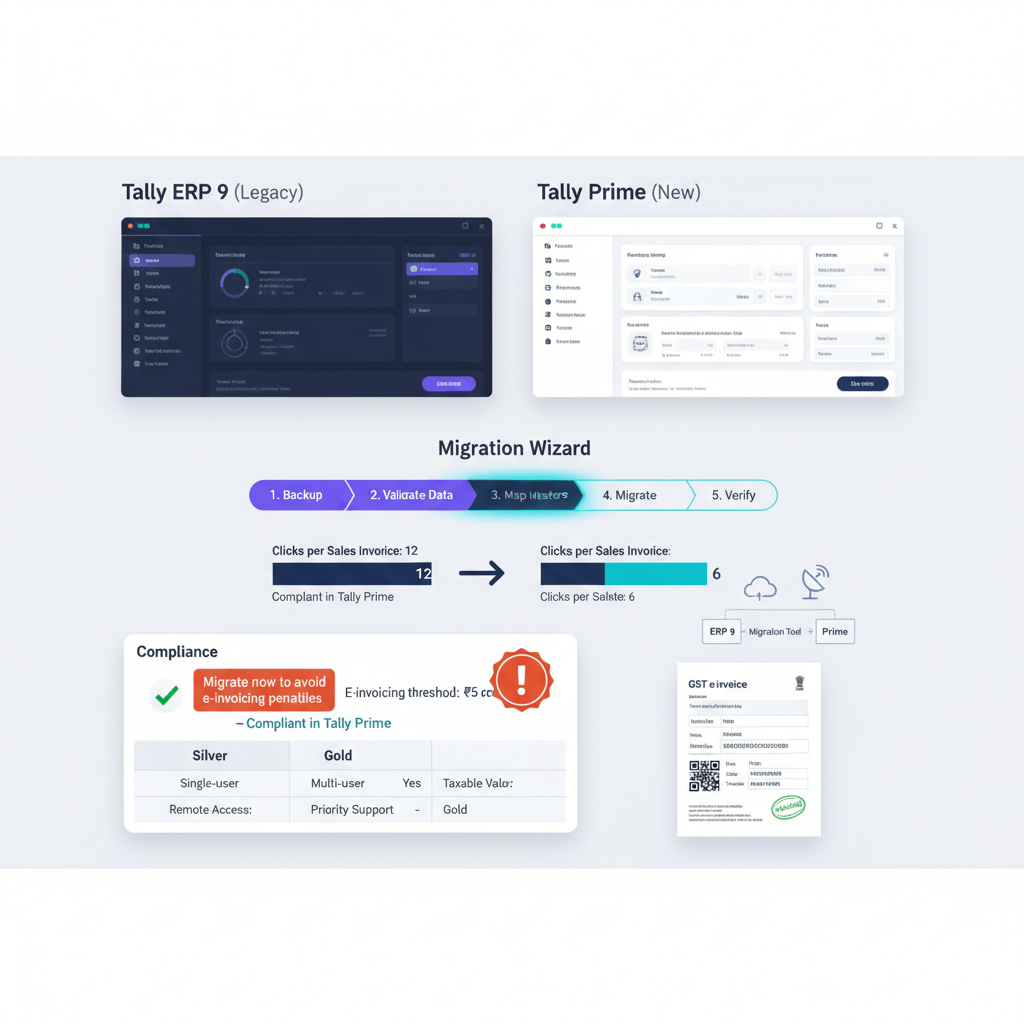
- If you are picking software, review our Accounting Software notes.
- To design your dashboards, study our MIS Reporting primer.
External references you may find useful
- GSTN portal for return timelines and formats, gst.gov.in
- Income Tax Department for TDS and ITR, incometax.gov.in
- MCA portal for ROC and company filings, mca.gov.in
Next steps
- Use a simple scope and SLA checklist, list tasks, frequency, and the SLA for each.
- Run an ROI check, compare a small retainer to the real cost of in house hires and tools and your time.
- Shortlist two to three CA led providers, ask the RFP questions above.
- See a demo, ask to view a live dashboard with sample MIS and a compliance calendar.
For a hands on look at a CA led managed model, explore AI Accountant Virtual Accounting, see how one dashboard and a dedicated CA team can run your books, your GST and TDS, your ITR and ROC, and your monthly MIS without chaos. Also see pricing and scope guidance via ANB Advisors and Startup Solicitors.
FAQ
How do founders quantify ROI from a CA managed virtual accounting model versus hiring in house
Compare the fully loaded cost of a small finance team, tools, and founder oversight to a fixed retainer with SLAs. Typical early stage math shows in house at ₹26L to ₹33L per year and outsourced at ₹5L to ₹8L, plus a seven day close and investor ready MIS. AI Accountant, as an AI enabled Virtual Accounting service, includes tooling and dashboards in the retainer, which compresses both cost and time to value.
What governance should a finance head mandate when outsourcing bookkeeping, GST, and TDS
Insist on SOPs, RACI, and maker checker for entries and filings. Add monthly close calendars, a rolling compliance tracker, exception logs, and a ticketing SLA. A dashboard like AI Accountant provides real time visibility on filings, pending items, and reconciliations, which keeps governance measurable.
Can a CA led partner handle multi state GST with e invoicing and complex RCM situations
Yes, provided they have sector experience and a GST practice. Expect mapping for HSN and rates, place of supply logic, RCM health checks, e invoicing readiness, and reconciliation of GSTR 2B credits. AI Accountant routinely sets item wise tax maps, auto validates credits, and surfaces exceptions on the dashboard.
How are payment gateway and marketplace reconciliations managed for a D2C or e commerce startup
The provider should ingest settlement reports, fees, returns, and chargebacks, then tie them to order ledgers and bank credits. Monthly MIS should show net realization per channel and variance buckets. AI Accountant automates gateway rules and flags unreconciled items for weekly review.
What is a realistic month end close timeline for a seed to Series A company
Seven business days is a strong benchmark with a CA led team, including bank and gateway recons, accruals, and MIS sign off. With AI Accountant, founders can track close progress live, and push for faster closes once the first three cycles stabilize.
How do we ensure data ownership and a clean exit if we change vendors later
Write data ownership, export formats, and exit assistance into the MSA. Maintain a standard chart of accounts and insist on working papers. AI Accountant provides ledger exports, voucher images, and compliance archives on demand, which makes exit practical and low risk.
Will virtual accounting cover TDS, payroll TDS, and annual returns end to end
Yes, a complete scope covers challans, returns like 26Q and 24Q and 27Q, corrections, and year end Form 16 processes. Payroll structures are advised to optimize taxes. AI Accountant tracks due dates on a compliance calendar and shows filing proofs on the dashboard.
How is audit supported without attest services
The partner prepares schedules, GL extracts, reconciliations, and samples, and coordinates with the statutory auditor. Certification remains with the auditor. AI Accountant packages audit folders for each cycle, which reduces audit queries and time spent.
What pricing levers matter most in proposals from outsourced accounting providers
Number of entities, transaction volume, GST registrations, payroll headcount, and reconciliation complexity. Ask for a scope matrix with SLAs and limits. AI Accountant quotes fixed retainers with clear add ons for extra entities or heavy reconciliations, and a defined one time clean up if needed.
Can we migrate mid year without breaking statutory reporting
Yes, with a clean up and opening balance exercise, tie outs to bank, GST returns, and TDS statements. Run a parallel month if needed. AI Accountant performs a data health check first, then signs off an opening trial before go live.
What KPIs should a CFO track to evaluate an outsourced finance engine
Days to close, on time filing rate for GST and TDS and ROC, AR and AP aging, recon variance to bank zero, and ticket turnaround under forty eight hours. AI Accountant exposes these KPIs in a live dashboard so you can enforce accountability.
How does an AI enabled service like AI Accountant improve accuracy and speed versus a traditional firm
Automated data capture, rules based reconciliations, anomaly detection, and workflow prompts compress manual effort and reduce errors. The CA team focuses on review and judgment, while AI handles repetitive steps. This typically delivers faster closes and cleaner ledgers with the same or lower cost.