-01%201.svg)

Key takeaways
- The best audit trail compliance tool must deliver unalterable timestamps, complete edit logging, tamper proof design, and eight year retention to meet the Companies Act mandate effective April 1, 2023.
- Non compliance penalties range from ₹25,000 to ₹5 lakh per violation, plus audit qualifications that damage credibility with lenders and investors.
- Essential software features include automatic date stamping, full version history, user attribution, and secure exports in auditor friendly formats like CSV or PDF.
- Legacy systems (Excel, older ERPs, basic accounting tools) cannot meet the unalterable, tamper proof standards required by law, making a purpose built solution necessary.
- Firms managing multiple clients or growing transaction volumes need a tool that integrates with Tally and scales without manual intervention. AI Accountant's bookkeeping automation handles this while maintaining compliant audit trails in the background.
Audit Trail Compliance Under the Companies Act: What's New in 2026
Until FY 2024–25, many auditors treated audit trail reporting as a soft observation, noting gaps without material consequences. From FY 2025–26 onward, the ICAI's updated Standard on Auditing (SA 315) tightens expectations. Auditors must now explicitly document how they tested the operating effectiveness of audit trail controls throughout the financial year, not just at year end.
The operational shift is real. Auditors now request quarterly exports of audit logs, verify that no gaps exist in timestamping across the full period, and confirm the trail was never disabled even temporarily. Companies that paused logging during data migrations or software updates in prior years can no longer rely on workarounds.
Who does this hit hardest? Small and mid sized companies on legacy Tally setups or custom built ERPs. Large enterprises on SAP or Oracle typically have audit trail modules already active. But firms with annual turnover between ₹1 crore and ₹50 crore, especially those managing books across multiple entities, face the steepest adjustment curve.
The cost of inaction is concrete:
- Penalties of ₹25,000 to ₹5 lakh under Section 128 of the Companies Act, 2013
- Qualified audit opinions that flag your company to banks, NBFCs, and potential investors
- Increased probability of regulatory scrutiny from the MCA or SFIO
What to do now: verify your software generated an unbroken audit trail for the entire current financial year. Export a sample log and confirm it includes user IDs, timestamps, and prior values for every edit. If gaps exist, fix them before your statutory audit begins.
Finance teams handling high transaction volumes across multiple entities are increasingly adopting automated MIS and reporting platforms that maintain compliant logs without adding manual steps to daily workflows.
Understanding Audit Trails in Modern Accounting
An audit trail in accounting serves as your financial records' digital DNA. It's a chronological record that meticulously traces every single change made to your financial data. Think of it as creating an unbreakable chain of accountability.
Just as a security camera logs every entry and exit, an audit trail captures who modified which transaction, what changes they made, and exactly when they occurred.
The Companies Act mandates this feature for three critical reasons:
- Fraud Prevention: Audit trails make it nearly impossible for bad actors to manipulate ledger entries without detection.
- Transparency: Stakeholders can trace the evolution of any financial entry from creation to final form.
- Audit Facilitation: Statutory audits become smoother when auditors can review complete histories rather than just balances.
For Indian SMBs using Tally, robust audit trails ensure their books can withstand scrutiny from both internal auditors and regulators. The days of hoping your records "look good enough" are over.
Decoding the Companies Act Audit Trail Requirements
The legal foundation for audit trail compliance stems from Rule 3(1) of the Companies (Accounts) Rules, 2014, as amended by the MCA. This isn't a best practice. It's the law.
Starting April 1, 2023, every accounting software used by Indian companies must meet these non negotiable standards:
- Unalterable History: A comprehensive, chronological history of every transaction that cannot be modified or deleted.
- Complete Edit Logging: Documentation of every change, capturing user identity, modification details, and timestamp.
- Tamper Proof Design: The audit trail feature cannot be disabled, bypassed, or manipulated by any user.
- Long Term Retention: Records must remain accessible for at least eight years, as per Section 128(5).
This requirement applies to all companies registered under the Companies Act, 2013. That includes small companies, one person companies, and listed entities. No exemptions based on turnover or size.
Auditors are now explicitly responsible for verifying and reporting on audit trail functionality in their annual reports. Non compliance can lead to penalties ranging from ₹25,000 to ₹5 lakh, audit qualifications, and regulatory scrutiny from the MCA.
Essential Features Every Compliant Software Must Have
Not all accounting tools are created equal. To truly comply with the audit trail mandate, your software must offer:
- Automatic Date Stamping: Every entry and edit receives an unalterable timestamp.
- Complete Version History: Full historical versions of each entry, showing intermediate steps and responsible users.
- Tamper Resistance: No user, including administrators, can disable or delete the audit log.
- User Attribution: Each change is linked to a specific user account with strong authentication.
- Export Capabilities: Audit logs are exportable in standard formats like CSV or PDF that preserve full detail.
For businesses relying on Tally, your compliance solution must either enhance Tally's native audit trail or integrate seamlessly while preserving full transaction logging.
Why Legacy Accounting Systems Fall Short
Many legacy setups simply cannot meet the Companies Act's audit trail standards:
- Excel Workflows: No automated, tamper proof logging. Manual tracking introduces errors.
- Older ERPs: Focus on system access rather than detailed transaction edits. Often allow log deletion.
- Basic Accounting Software: Partial trails that can be disabled or that omit edit history.
- Custom Solutions: Rarely designed for compliance. Retrofitting is expensive and error prone.
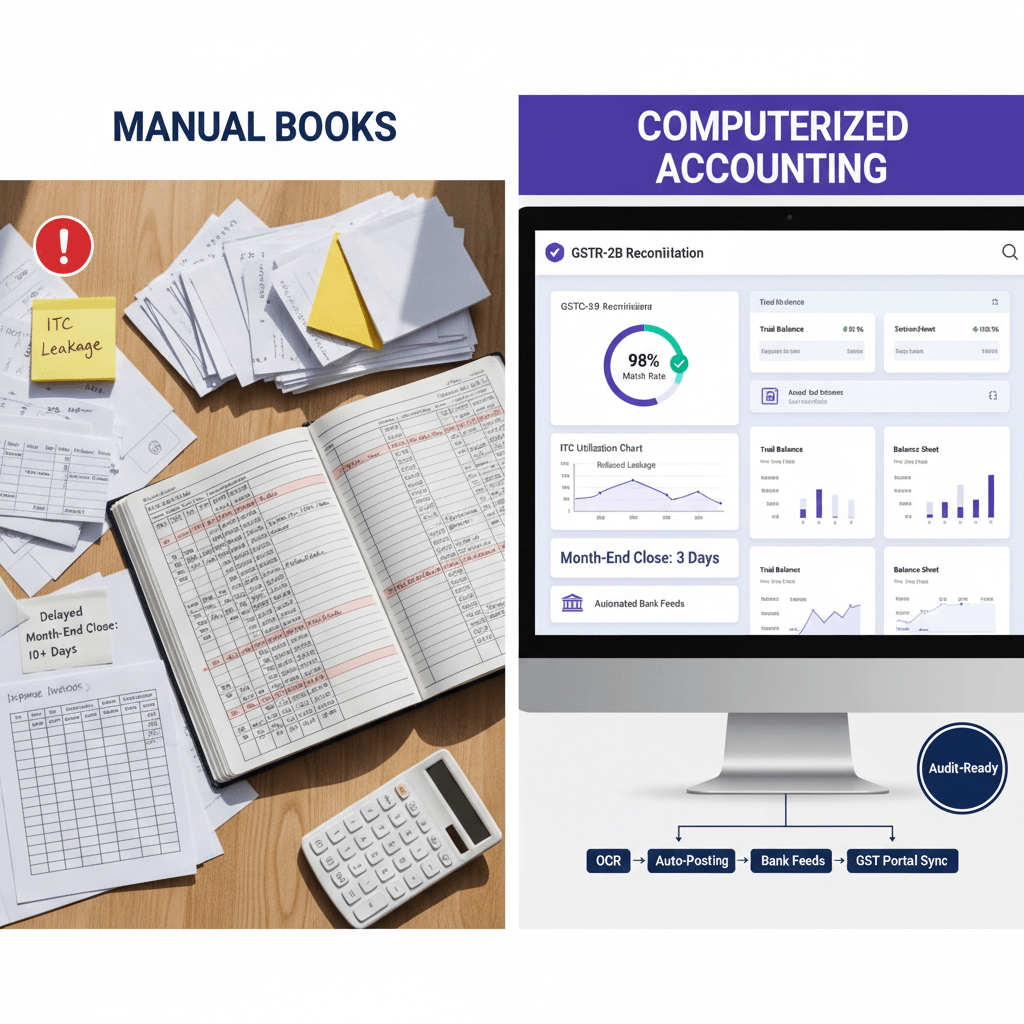
Reliance on manual processes invites human error and increases compliance risk. The gap between what legacy systems offer and what the law demands is growing wider each year.
Middleware solutions can bridge these gaps without full system replacement. They sit between your existing software and your compliance requirements, capturing the audit data your current tool misses.
Selecting Your Audit Trail Compliance Solution
Use this evaluation framework when choosing a compliant audit trail tool:
- Permanent Log Storage: Immutable records with no deletion or archiving options.
- Tally Integration: Seamless, full logging support for all transaction types.
- Automatic Documentation: Zero manual stamping or backdating.
- Secure Export: Auditor friendly formats (CSV, PDF) with timestamps and user IDs preserved.
- User Management: Detailed attribution and prevention of shared logins or false identities.
- Scalability: Handles growing transaction volumes without performance degradation.
- Integration Depth: Works with your current stack to minimize disruption.
- Support Quality: Vendor expertise in Indian regulations and local support availability.
The best tools plug into existing workflows. They operate quietly in the background to ensure compliance without disrupting daily operations.
Modern Accounting Automation and Compliance
Leading solutions now merge audit trail compliance with advanced automation. Here are tools worth evaluating:
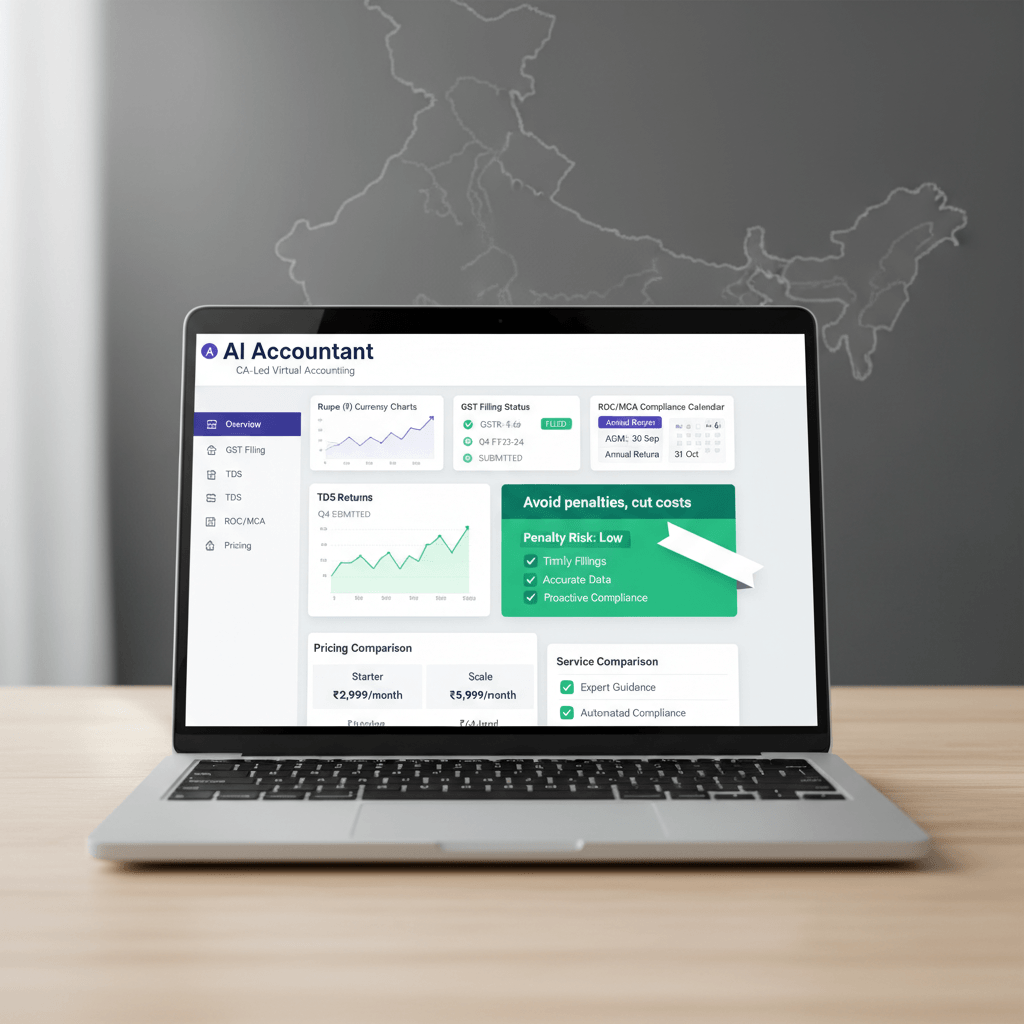
- AI Accountant: Automates data ingestion, intelligent classification, and audit logging in one platform. Integrates with Tally while maintaining tamper proof trails.
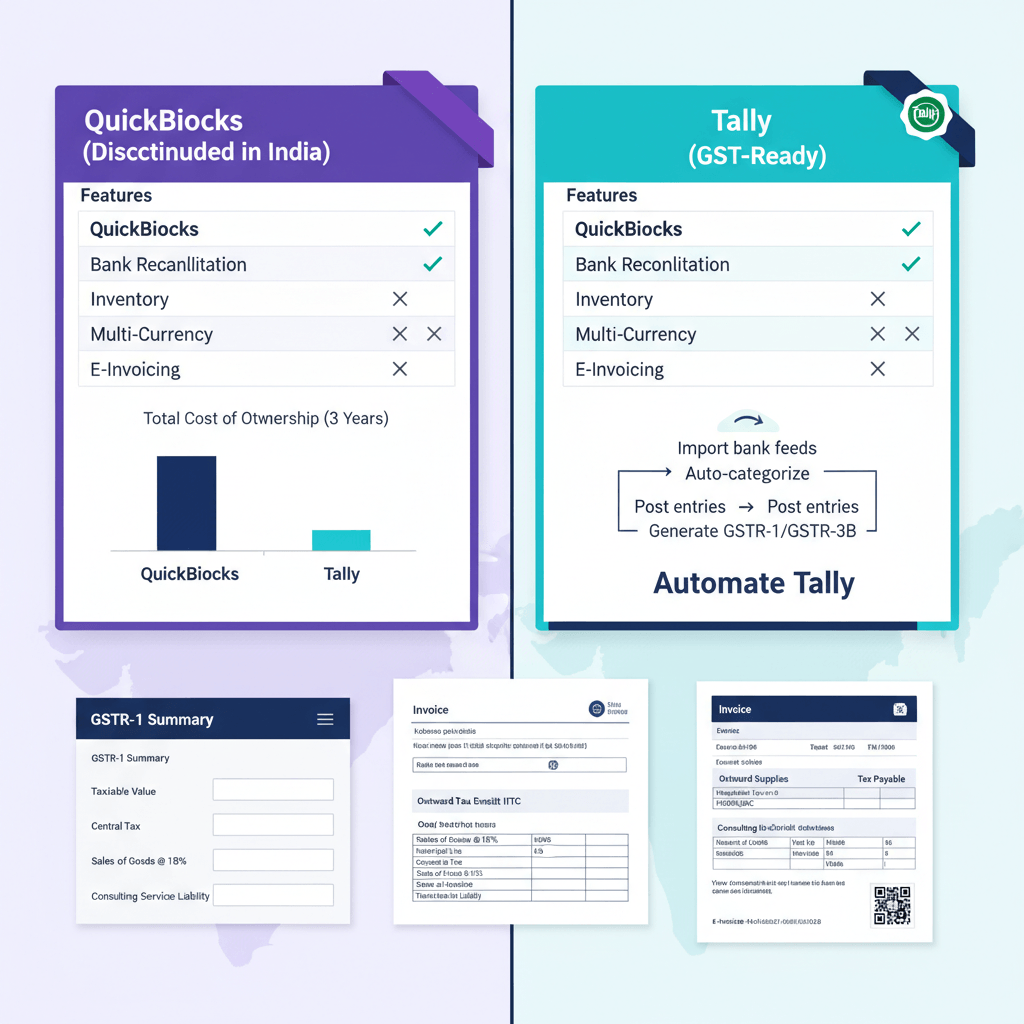
- Tally Prime: Offers native audit trail features that meet basic compliance requirements for single entity setups.
- QuickBooks: Provides activity logs and user tracking, though export options vary by plan.
- FreshBooks: Includes change tracking with timestamp records for smaller businesses.
- Xero: Maintains a detailed history of all changes to transactions with user attribution.
The key capabilities to look for in any automation platform:
- Automated Data Processing: Ingests financial data from multiple sources while maintaining full edit logs.
- Intelligent Classification: Machine learning categorizes transactions with tamper proof logs for every categorization decision.
- Seamless Integration: Clean, compliant entries flow into Tally with audit trails intact.
- Background Compliance: Invisible audit functionality that requires no extra effort from finance teams.
This approach transforms compliance from a burden into a competitive advantage. It improves accuracy, reduces manual work, and delivers deeper financial insights.
As noted by ICAI's implementation guide on audit trail reporting, auditors must verify that the software's audit trail feature was operational throughout the year. Automation platforms that run compliance in the background eliminate the risk of accidental gaps.
FAQ
How do I verify if my current Tally system meets audit trail compliance under the Companies Act?
Check whether your Tally setup automatically records unalterable timestamps for every edit, maintains complete version histories, and prevents any user from disabling the audit log. Export a sample log and confirm it includes user IDs, prior values, and modification details. If any requirement is missing, integrate a dedicated compliance module.
Can Excel be used to create a compliant audit trail?
No. Excel lacks automated, tamper proof logging and comprehensive edit histories. Manual tracking introduces errors and non compliance risks. Use purpose built software with immutable audit logs instead.
What are the penalties for non compliance with audit trail requirements?
Penalties range from ₹25,000 to ₹5 lakh depending on violation severity (2026 update). Beyond monetary fines, companies face audit qualifications, regulatory scrutiny from the MCA, and damaged credibility with lenders and investors. Auditors are required to flag non compliance in their reports.
How long must audit trail records be retained?
The Companies Act, Section 128(5), mandates retention for at least eight financial years. Ensure your software stores logs indefinitely without deletion options and that archived records remain accessible for auditor review.
Is it enough to log only new transactions, or must edits be tracked too?
The law requires complete edit logging. Every modification to existing entries must be documented with user identity, timestamp, and prior values. Logging only new transactions is non compliant.
Which companies are covered by the audit trail mandate?
All companies registered under the Companies Act, 2013 are covered. This includes small companies, one person companies, private limited companies, and listed entities. There is no turnover based exemption (2026 update).
What export formats are recommended for statutory audits?
Audit logs should be exportable in CSV or PDF formats that preserve full detail, including timestamps, user IDs, and change descriptions. Auditors increasingly request quarterly exports to verify year round compliance rather than just year end snapshots.

A results-driven finance and sales professional with hands-on experience through finance internships and a fast-paced sales role. With a strong interest in accounting and business finance, Harsh focuses on turning complex topics into clear, practical takeaways for founders and finance teams.