-01%201.svg)

Key takeaways
- Monthly bookkeeping pile-up is preventable with short daily routines, weekly micro cleanups, and a simple, consistent cadence.
- Standardize inputs, create a bills inbox, and use automation for ingestion, matching, and reconciliation to cut manual effort drastically.
- Adopt a four-pillar approach: clear workflows, automation, weekly accounting cleanup, and India-specific compliance routines for GST and TDS.
- Separate business and personal transactions, reconcile continuously, and maintain clean vendor and customer masters for reliable reports.
- Use tools that fit Indian compliance, and consider AI Accountant with Zoho Books or Tally for automated GST reconciliation, payment matching, and dashboards.
Why bookkeeping pile-up happens
Fragmented inputs, WhatsApp bills, UPI screenshots, email attachments, and physical receipts create chaos by month end. Without a weekly cadence, mapping, and matching, transactions stay unposted, invoices remain unpaid or unlinked, and GST deadlines turn into a scramble.
- Multiple channels: bills via WhatsApp, email, and hard copies
- Mixing business and personal spends in the same accounts
- Delayed statement imports and manual categorization done in bulk
- Vendor master inconsistencies, GSTIN and name mismatches
- Receipts sitting unmatched to invoices, suspense accounts growing
Think daily hygiene, not end-of-month surgery. Ten minutes today saves hours on the 30th.
For a foundational overview, see accounting best practices for small businesses and a round-up of the best accounting software for small businesses in India.
Your prevention strategy: the pillar approach
Pillar 1, Clear workflows: Define owners, tools, and cadences. Decide what gets done daily, weekly, fortnightly, and monthly. No more ad hoc firefighting.
Pillar 2, Automate ingestion and matching: Forward bills to a shared inbox, pull bank feeds daily, and apply rules for routine categorization.
Pillar 3, Weekly accounting cleanup: Short 60 to 90 minute sessions to reconcile, attach bills, and clear exceptions. Treat it like maintenance.
Pillar 4, India-specific compliance: Bake GST reconciliation and TDS checks into your monthly routine. Review vendor master regularly. Explore accounting best practices for small businesses and evaluate the best accounting software for small businesses in India to fit your stack.
Small business workflows that actually work
Your daily mini tasks, 10 to 15 minutes
- Forward every bill to a shared inbox or drive, using an email-to-ledger capture flow. A simple alias like [email protected] works.
- Validate vendor GSTIN and legal name on receipt. Flag mismatches immediately.
- Tag UPI and card spends as business or personal the same day to avoid mixing.
Your weekly workflow, 60 to 90 minutes every Friday
- Import bank and card statements for the week, then reconcile inflows and outflows.
- Attach bills to entries, no exceptions, and ensure backup exists for every expense.
- Auto-categorize recurring vendors and refine rules so the system learns.
- Log anomalies as exceptions for follow-up rather than letting them linger.
Your fortnightly check-ins
- Resolve unmatched payments and receipts, including split payments and part collections.
- Update vendor and customer masters, including GSTIN, PAN, and addresses.
Your month end routine
Close comfortably with a two-hour checklist: final postings, aging reports, and GST reconciliation. For software fit, revisit accounting best practices for small businesses and tool comparisons in the best accounting software for small businesses in India.
Accounting cleanup: step-by-step checklist
Step 1: Consolidate all bills in one place with a simple naming convention, Vendor_Date_Amount.pdf.
Step 2: Fix vendor master mismatches, standardize names, GSTIN, and addresses.
Step 3: Normalize bank statements, align dates, narration, and debit and credit columns.
Step 4: Map transactions to consistent ledgers, keep categories stable month to month.
Step 5: Link payments and receipts to invoices or bills using guided payment matching for unreconciled bills, clear the suspense account.
Step 6: Reconcile GST against GSTR-2B with a GSTR-2B reconciliation tools guide, tag exceptions for action.
Step 7: Generate dashboards for cash, payables, receivables, and overdue amounts. Early detection avoids surprises.
For more structure, see accounting best practices for small businesses.
Monthly bookkeeping in India, compliance essentials
- GST cadence: Start reconciliations early, maintain a clean purchase register, and track credit notes and journals.
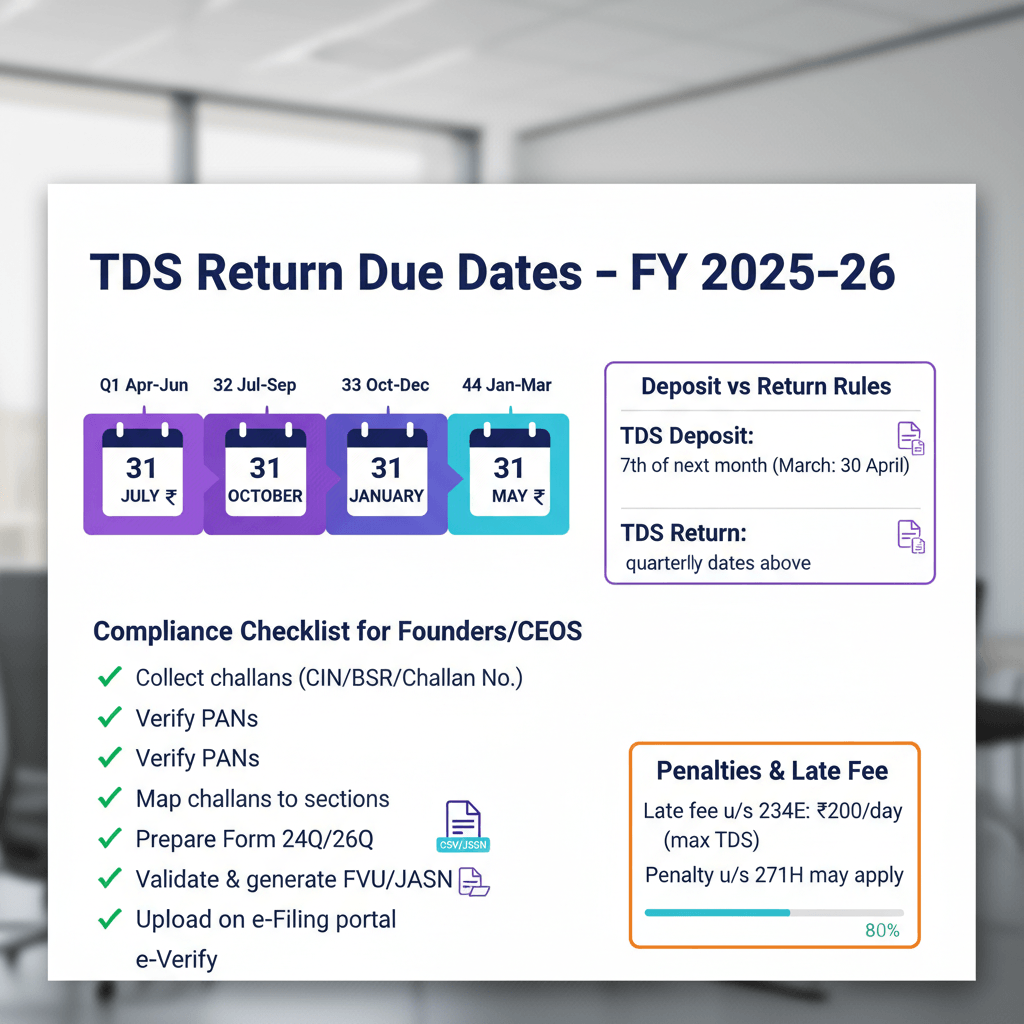
- TDS checks: Apply TDS on rent, professional services, and other applicable payments, or face penalties and interest.
- UPI and petty cash discipline: Use business UPI IDs, or tag transactions immediately if personal IDs are used.
- Common pitfalls: Multi-GSTIN vendors, evolving e-invoicing thresholds, and vendor name variations. Keep master data tight.
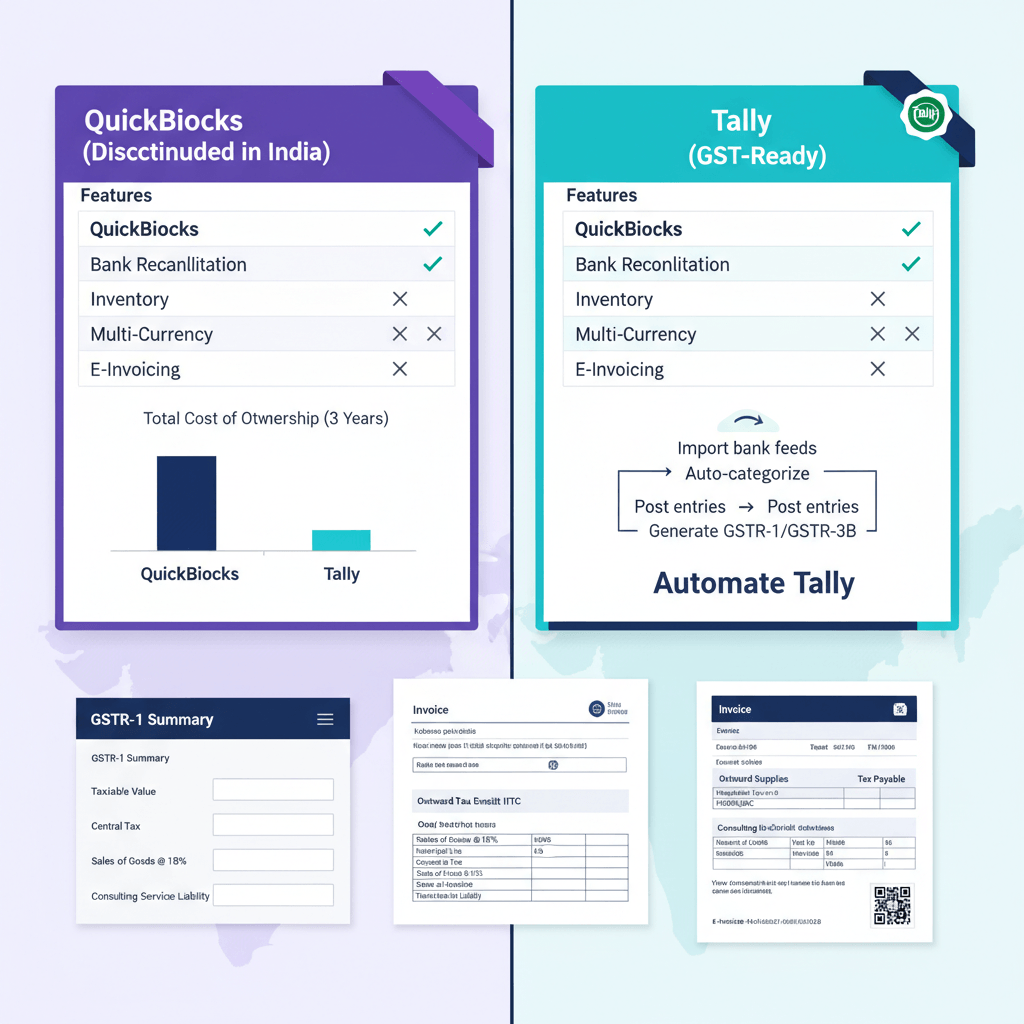
Both Zoho Books and Tally handle GST reporting well. For selection guidance, refer to the best accounting software for small businesses in India.
Tools and automation that save your sanity
You do not need enterprise software. Configure a lean stack aligned to compliance and the way you operate.
- AI Accountant integrates with Zoho Books and Tally for automated vendor mismatch detection, bulk edits, payment linking, and real-time dashboards, built for Indian GST workflows.
- Zoho Books offers GST-ready accounting, automation, and integrations for growing teams.
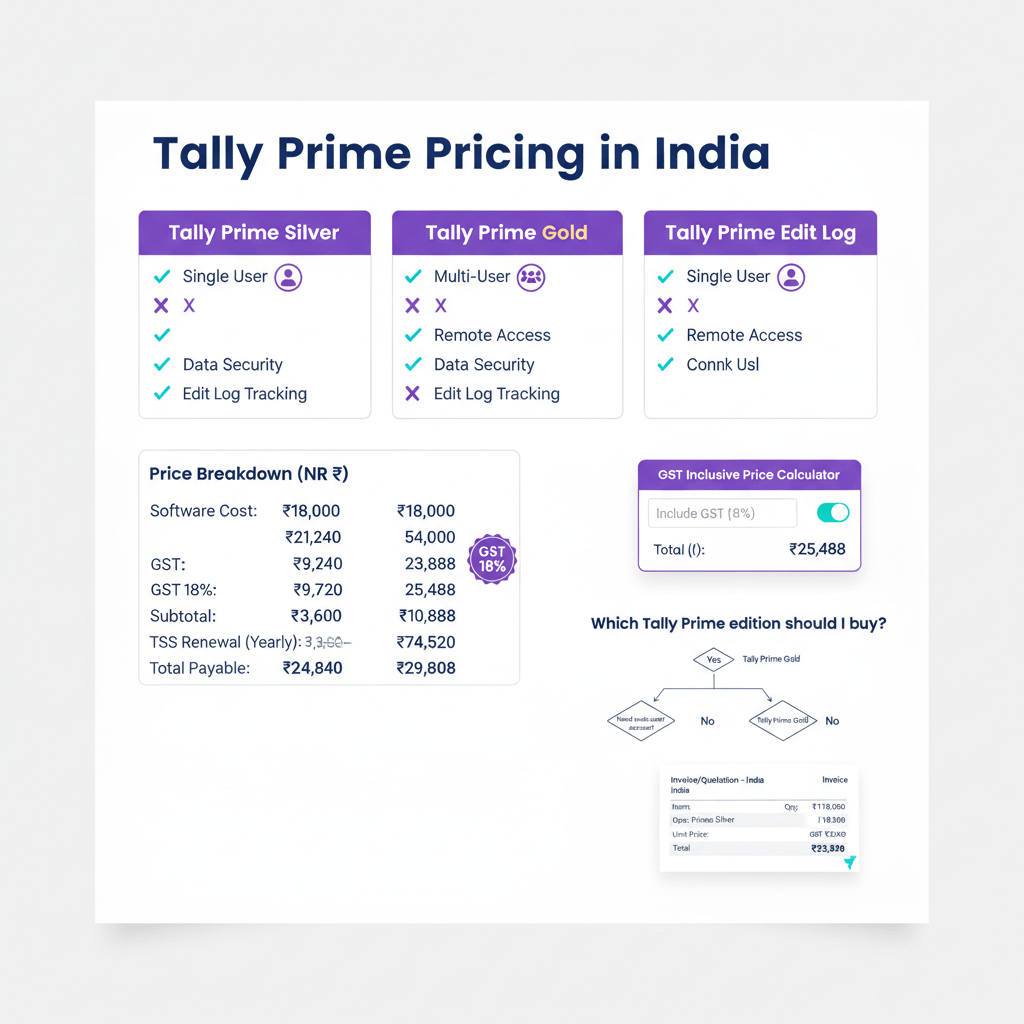
- Tally Prime remains a robust choice for statutory compliance and offline-first operations.
- QuickBooks delivers user-friendly reporting and mobile bookkeeping.
- FreshBooks suits service businesses that want lightweight invoicing and Parsons-like expense capture.Wait The last line includes extraneous text. We must fix. Continue properly. We need to ensure no broken tags or errors. Continue after list. We also need additional paragraphs about setting up automation rules and linking to blogs. Also mention whizconsulting link in a context of outsourcing. Let's continue carefully. Let's output corrected HTML fully beginning to end.

Rohan Sinha is a fintech and growth leader building aiaccountant.com, focused on simplifying accounting and compliance for Indian businesses through automation. An IIT BHU alumnus, he brings hands-on experience across 0 to 1 product building, growth, and strategy in B2B SaaS and fintech.